

4.5 - 5 hours·Italian, English
4.7(40)
New York City: Dyker Heights Christmas Walking Tour
Free cancellationExploration of Dyker HeightsStory of Lucy Spata
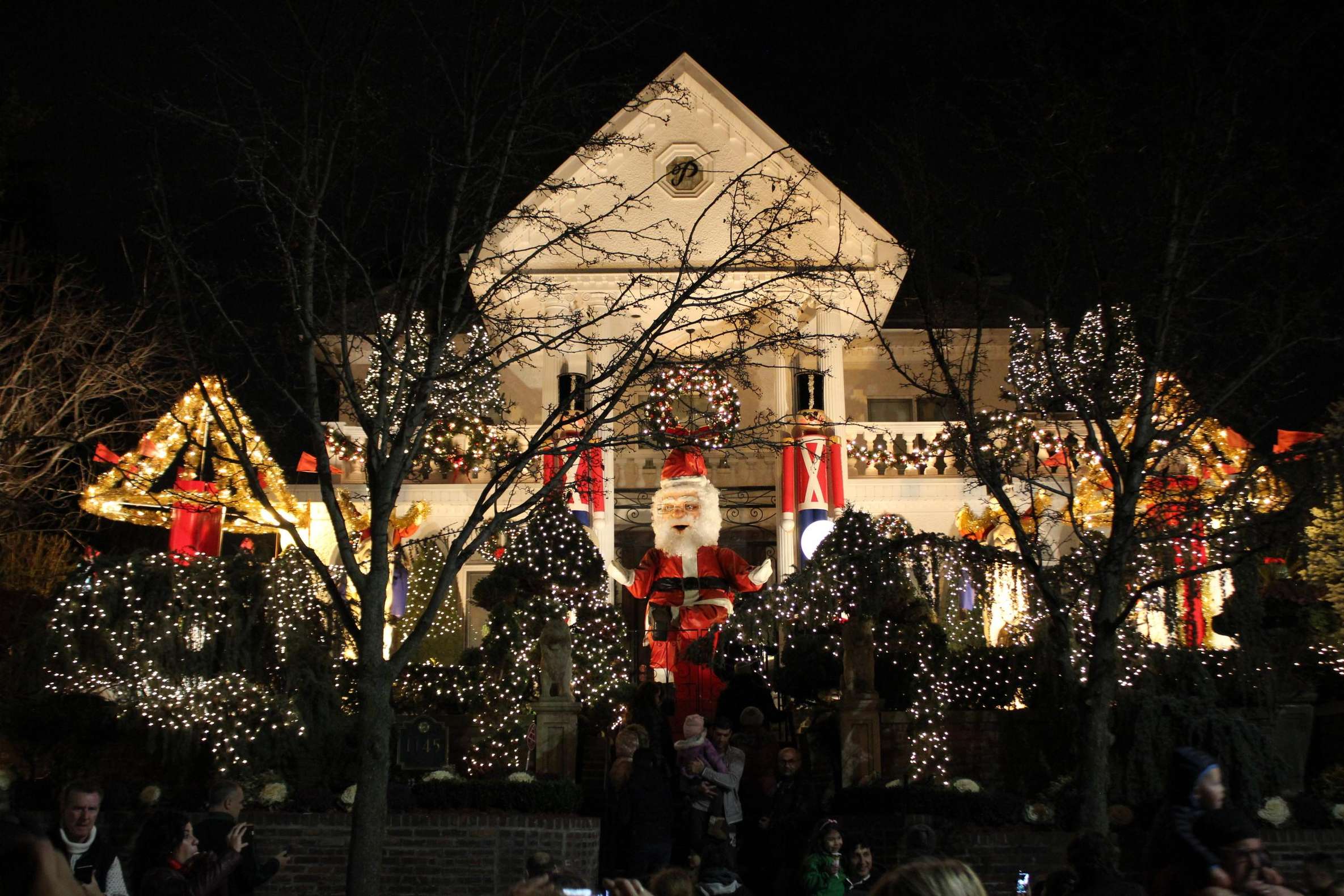
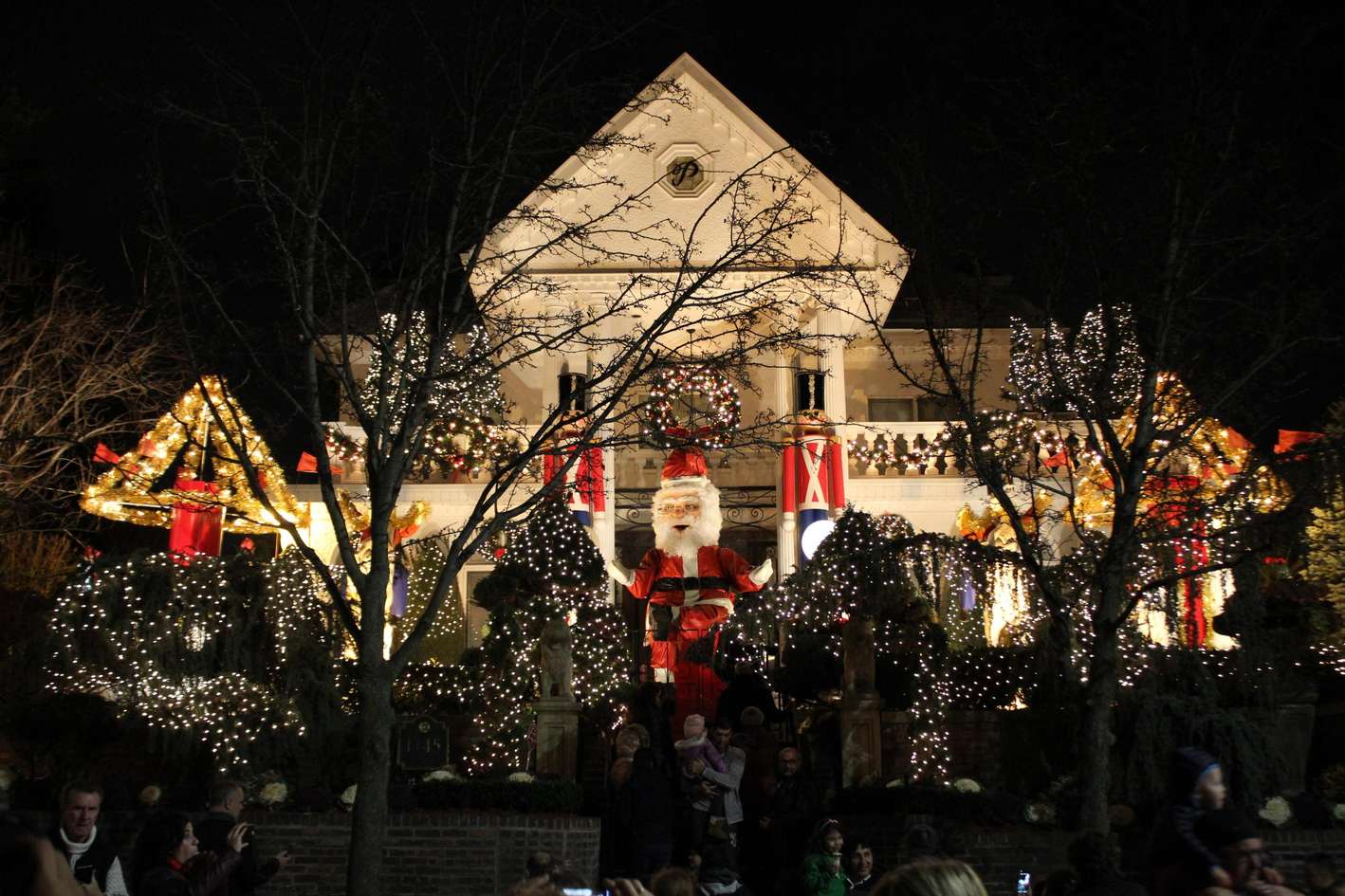
See Dyker Heights at full glow, not at 9 pm when the timers cut out. Join 1,000+ travelers on a guided evening bus from Manhattan with expert commentary, a walking route through the brightest blocks, and a skyline stop on the way home.
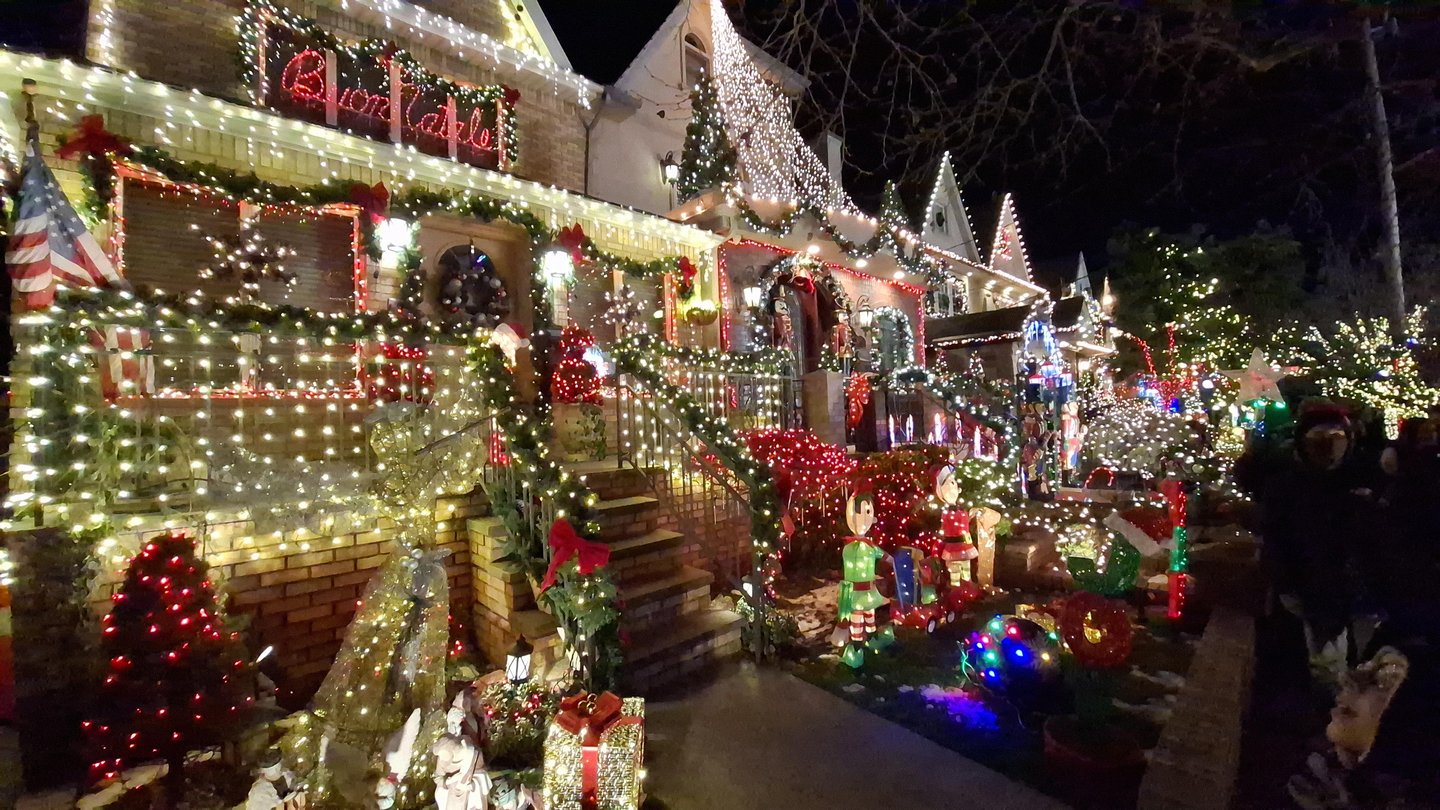
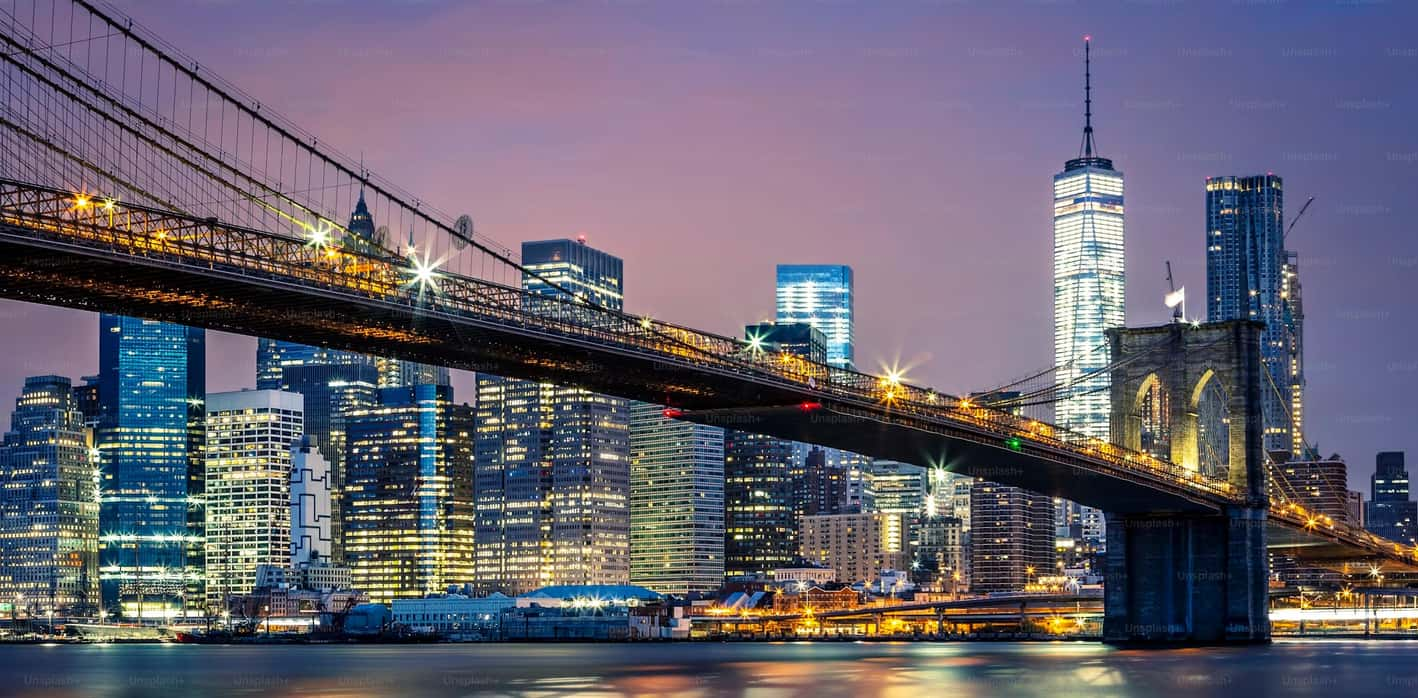
"A must-do! Loved the beautiful lights on the Brooklyn houses, and the stunning finale under the Brooklyn Bridge, perfect spot for skyline photos."


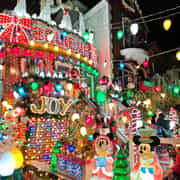
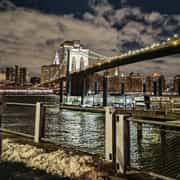


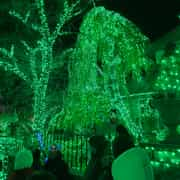
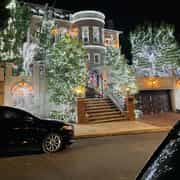


The D and R trains get you close, but no train reaches Dyker Heights itself, so plan the walk into your evening.
Read the guide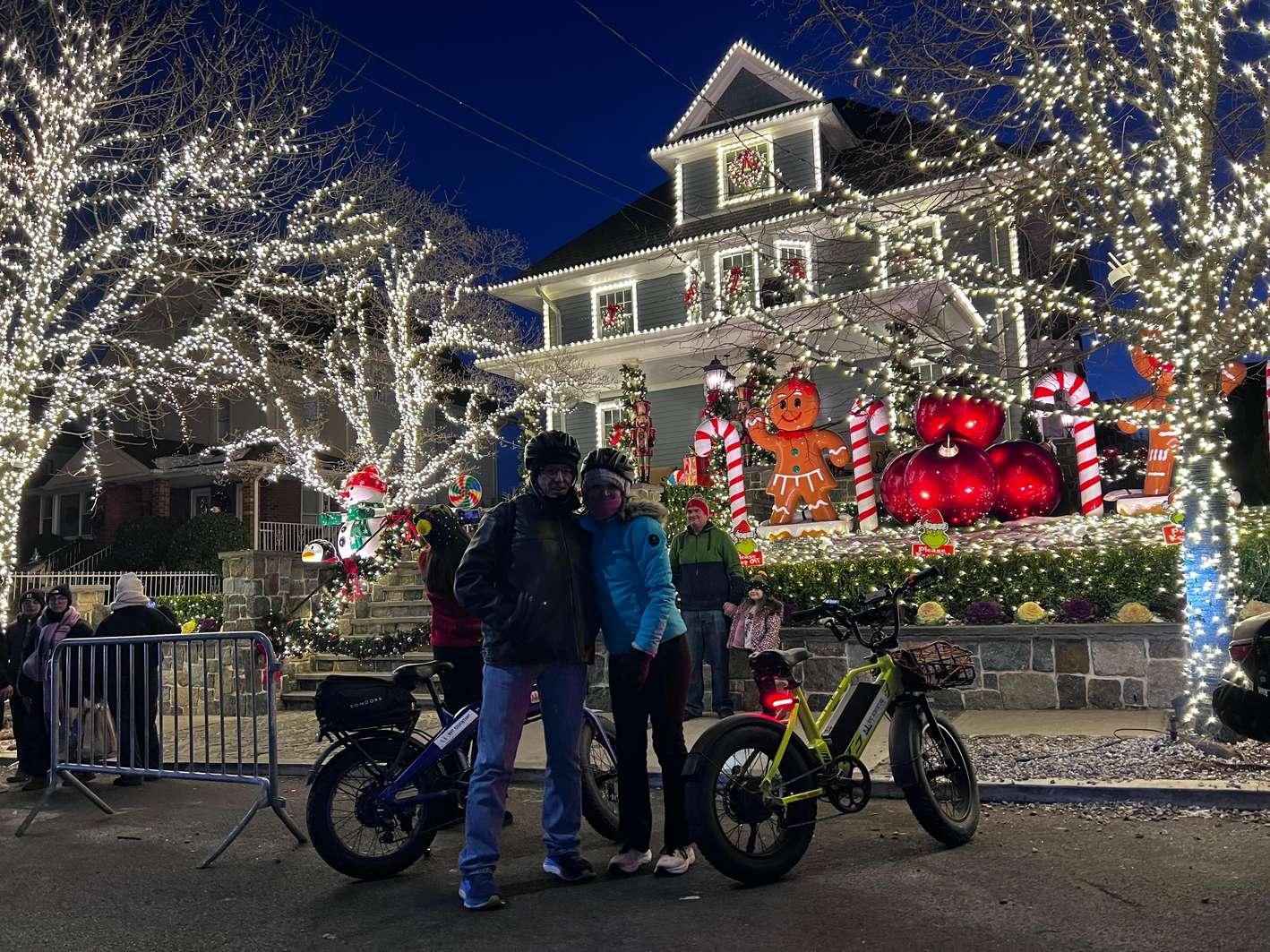
An evening ebike ride with a ferry crossing, timed so the displays switch on around you at about 5 pm.
Read the guide
A chauffeured evening with pickup at your door, walking the lit blocks for 30 to 40 minutes at your own pace.
Read the guideThe hours decide your evening, so it matters how you spend them: these three ways fill the same dusk-to-10 pm window differently.
Subway, driving and parking, worked out block by block
The first thing you meet is the gap: no subway station sits inside Dyker Heights. From Midtown, the D train to 79th Street takes 45 to 55 minutes, the R to 86th Street about 50 to 60, and then a 15-to-20-minute uphill walk stands between you and the glowing blocks.
Count on roughly an hour of travel each way before you see a single bulb.
The timing math decides your night. Homeowners switch displays on around 4:30 to 5 pm and start shutting them off between 9 and 10, so leaving Midtown after 7 rarely leaves enough window. Go Monday through Thursday, when sidewalks stay walkable, and the hours you save on transit go straight into the lights.
Ferry out, ride the full neighborhood, skyline on the way home
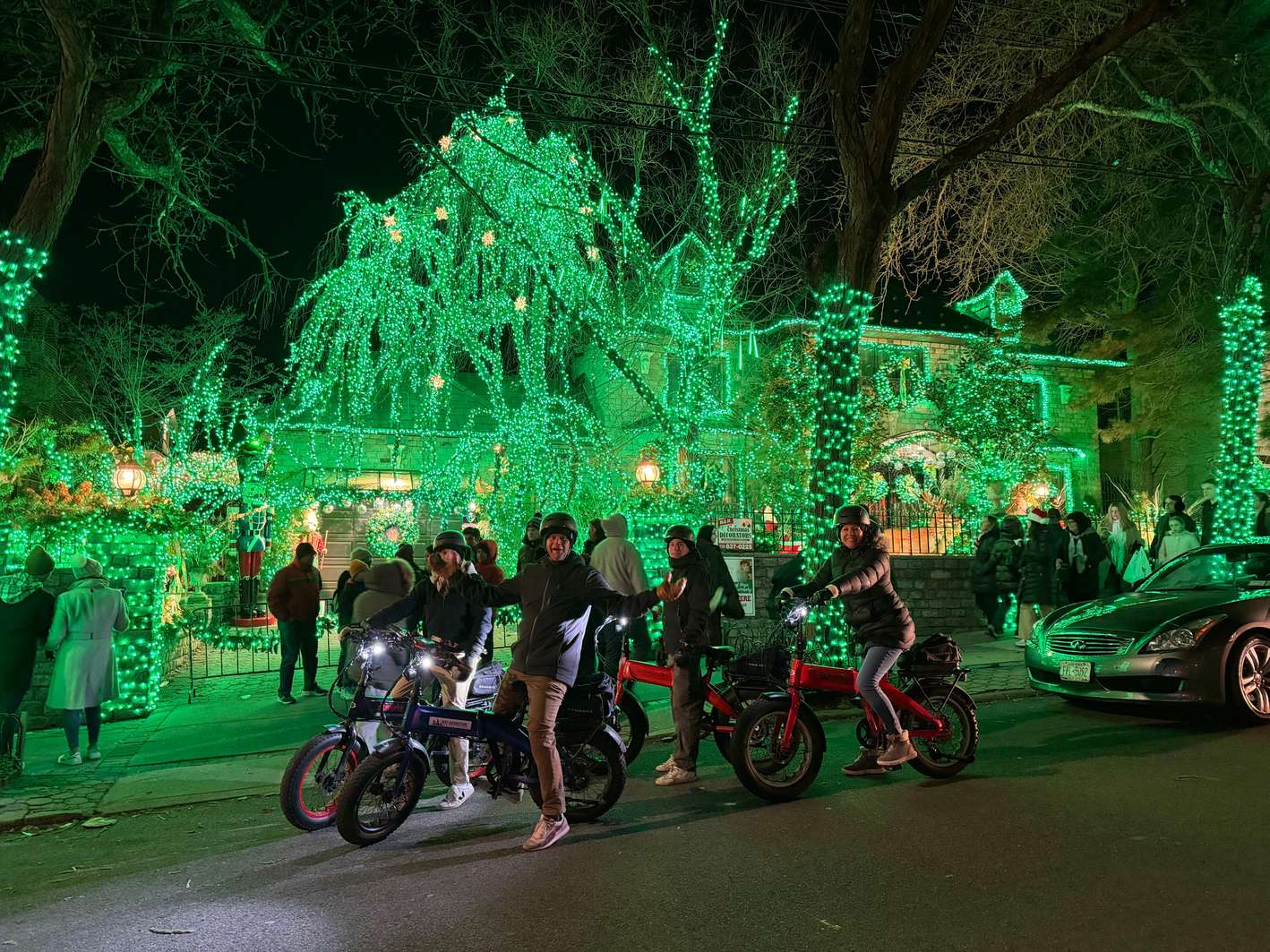
Bikes sidestep the problem that traps cars: police restrict the decorated blocks to pedestrians anyway, so two wheels plus the South Brooklyn ferry turn gridlock into harbor views.
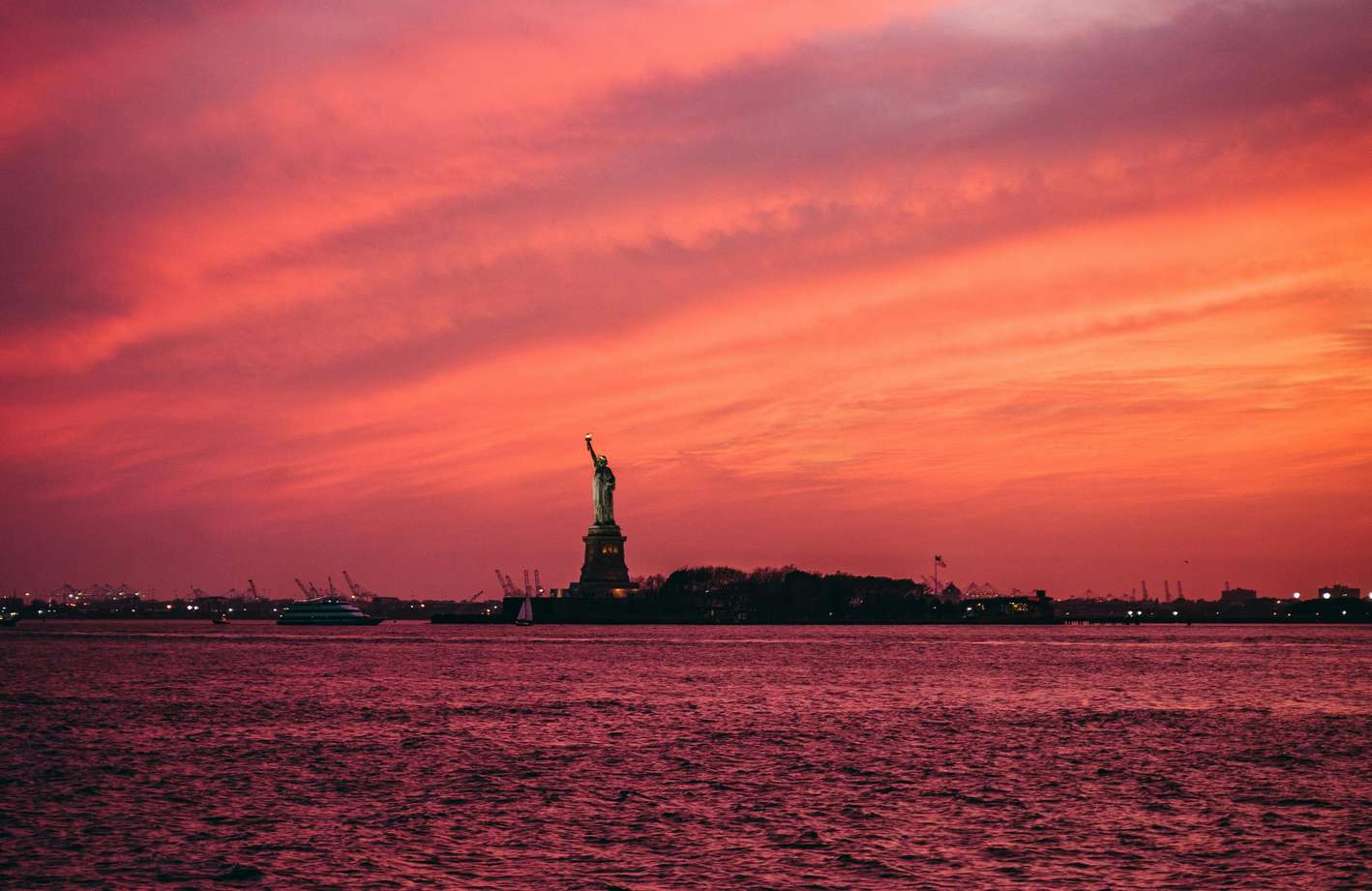
You leave from Hudson Yards, cruise down the Hudson past the Statue of Liberty at sunset, land in Bay Ridge, and ride about 20 minutes to the lights.
The route covers the whole neighborhood rather than two streets, and the ride home can go back by ferry or over the Brooklyn Bridge. Bring windproof gloves and a balaclava, because you sit in the cold for the full five hours with harbor wind on your face. Riders must be 16 or older.
Door to door by limousine, warm between stops
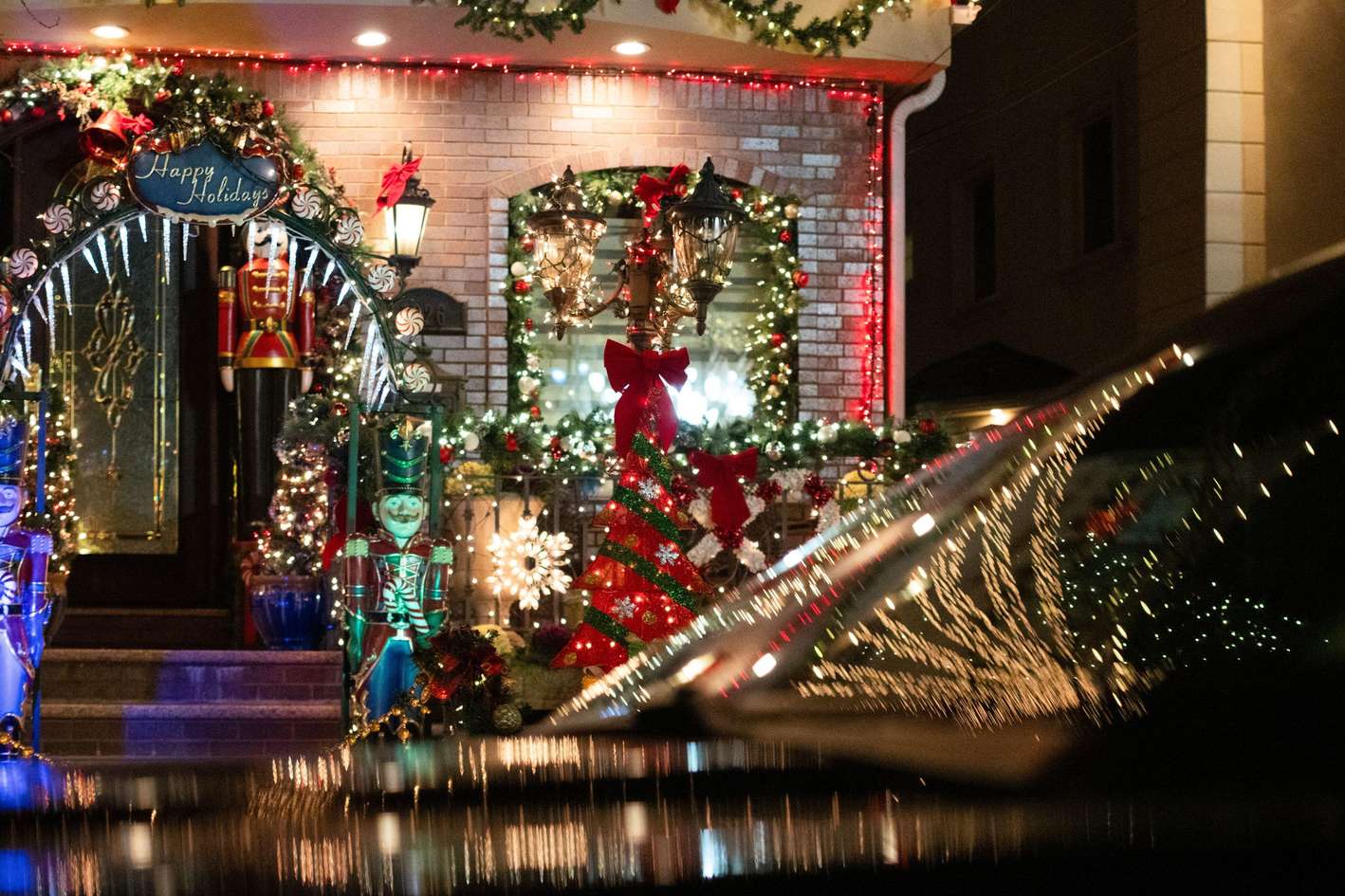
A private car solves the hour problem the other ways cannot: a driver times the crossing for you, so you reach the decorated blocks while every timer is still on. Pickup happens at your hotel or apartment, and the whole evening runs about three to three and a half hours door to door.
Expect a rhythm of 30 to 40 minutes on the sidewalk among the lights, then back into a warm car before your fingers notice the cold. That matters on nights near freezing with wind off the harbor. One note if you bring small children: on one private ride, child seats must be supplied by you.
There is no city switch that turns Brooklyn's brightest neighborhood on. Timers in private homes set the schedule, and your whole evening lives between the dusk switch-on and the nine o'clock shut-offs. Here is how to land inside it.
Displays switch on at dusk, around 4:30 to 5 pm in December, and most homeowners shut them off between 9 and 10 pm.
The season runs from late November, broadly lit by December 1, through New Year's and often to January 6.
Arrive between 4:30 and 5:30 pm to watch the switch-on and beat the coach-bus surge that builds from 6 pm.
Monday through Thursday evenings bring thin crowds; weekends pack the narrow sidewalks.
There are no public restrooms on the residential blocks, so plan a stop on 86th Street or 13th Avenue.
Plan to be on the decorated blocks by 8 pm at the latest, since a 9 pm arrival can mean dark streets. An evening bus or walking tour timed for dusk takes care of the timing for you.
The first thing to know is that nobody flips one switch. Dyker Heights is a private neighborhood of homeowners who run their own timers, so the hours you find on any official calendar simply do not exist.
What you can count on is darkness: as the December sun sets, the blocks light up, display by display, until the whole ridge glows.
Expect full illumination by about 5 pm That is the moment your evening should be built around. Stand there at 6 pm and you see every bulb; stand there at 3:30 pm and you see bare lawns and plastic Santas in daylight, a different trip entirely.
The other end of the night matters just as much. Homeowners begin powering down between 9 and 10 pm, house by house, because each family programs its own timer. A few of the big displays keep burning until 11 pm or midnight, but the neighborhood thins out visibly after ten.
The hour-by-hour shape of the evening looks like this:
Timers turn displays on as darkness falls
All displays lit with maximum crowds
Some homeowners begin switching off timers
Remaining illuminated homes shut off by midnight
That gives you a five-hour window at best, and the practical part of it is nearer three. The lights also burn in the rain, so a wet forecast does not cost you the night. What it costs is a plan for staying warm while you look.
The season starts later than most people guess. Homeowners switch their displays on after Thanksgiving in late November, and by December 1 the neighborhood is broadly lit. Before that, only about a fifth of the houses bother; arrive in early November and you will mostly see dark roofs.
Through December the whole thing runs nightly, no days off. Christmas Eve and Christmas Day are fully decorated, and the displays do not go dark once the holiday passes.
Homes stay lit through New Year's Day, and many hold out until January 6, the Epiphany, before decorations start coming down. A few houses keep going into the first weekend of January.
The trade-off comes at the far end of the season. After Christmas some homeowners begin dismantling pieces or shutting off earlier in the evening, so a late-December visit means a slightly dimmer neighborhood than the 20th does.
What you gain is quiet. Between Christmas and New Year's the crowds drop off sharply, and tour activity falls from December's peak to something closer to an ordinary busy month. The buses still run into early January, so the lights stay easy to reach.
The month-by-month picture puts it plainly:
January: 5 out of 5 for how busy it gets.
Tap a month to read it.
So pin your dates with confidence: any date from the first week of December through New Year's week shows a fully lit neighborhood, and the after-Christmas stretch is a quieter version of the same show.
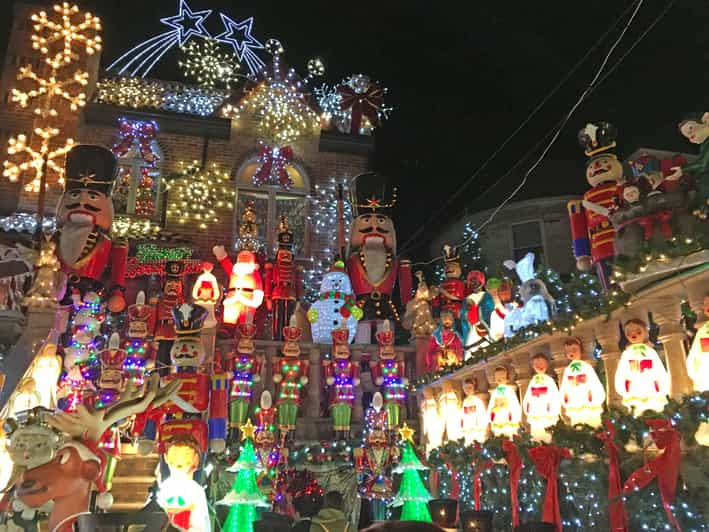
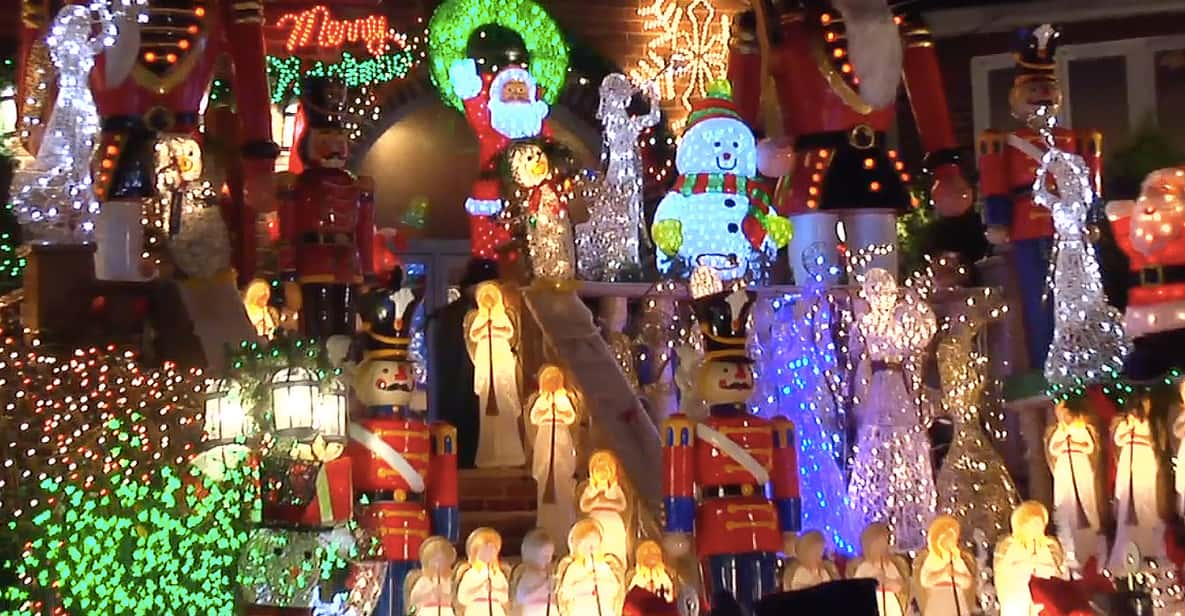
Dusk is the hour to claim. Arrive between 4:30 and 5:30 pm and you watch the timers click on around you, block by block, before the tour buses arrive. The displays are at their brightest exactly when the sidewalks are still yours.
The surge comes later. Between 6 and 9 pm the coach buses pile up and the sidewalk crowd on 84th and 85th Streets thickens into a slow-moving line. The 4:30 to 5 pm arrival bypasses the worst gridlock and the densest foot traffic, both at once.
There is a second window, after 9 pm, when the crowds drain away. It works only if you accept the trade: homeowners begin switching off between 9 and 10, so you would be trading full illumination for empty sidewalks. Most first-timers regret it.
Here is how the whole evening runs, from switch-on to the last dark house:
Timers click on across the blocks
Every display lit, coach buses and crowds at their thickest
Homeowners' timers begin powering down
The final illuminated homes go dark
One way to take the guesswork out of the timing is to hand it to someone who does this every night.
The NYC: Heated Bus & Guided Dyker Heights Christmas Lights Walk runs four hours from Manhattan, crosses in a warm bus, and walks you through the most decorated streets with a licensed guide, timed so you reach the blocks while every timer is still running.
However you arrive, the collective glow is bright enough that a standard phone camera takes clear night shots. Bring the phone charged; the cold drains batteries faster than usual.

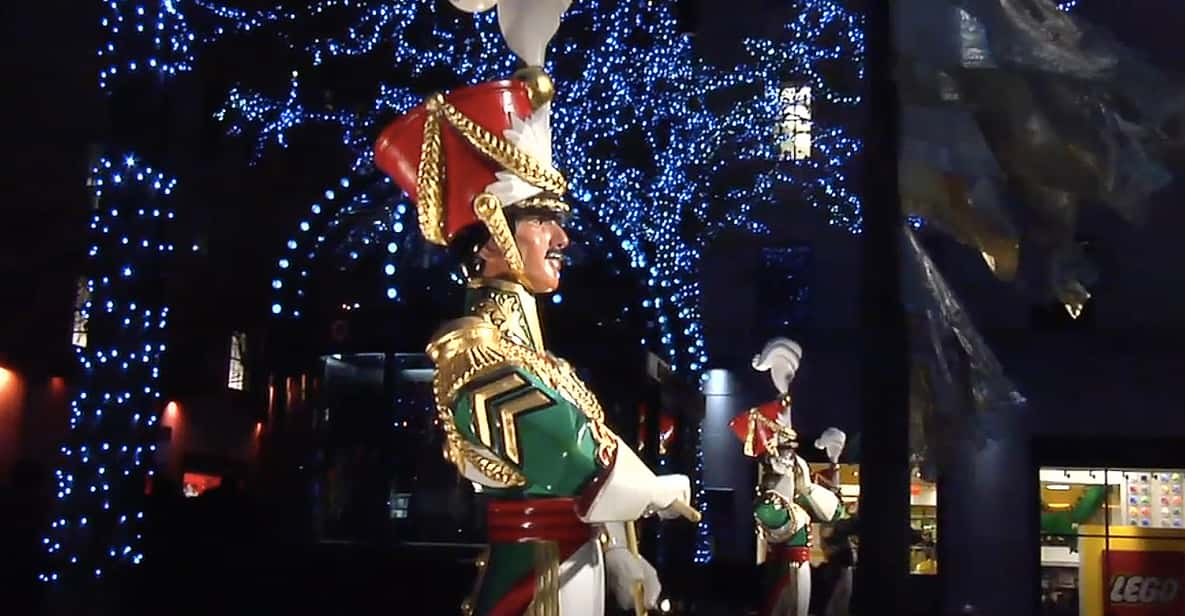
The same neighborhood is two different places depending on the night. Monday through Thursday, the sidewalks stay walkable, you can stop at a house without joining a queue, and traffic on the residential streets moves.
Friday through Sunday evenings draw packed sidewalks, tour buses and heavy vehicle traffic, all at the same time, on streets that were never built for any of it.
The difference shows up fast once you are there. On a Tuesday you can stand in front of a display for as long as you like and hear the synchronized music playing. On a Saturday the same spot becomes a shoulder-to-shoulder shuffle, and getting from one block to the next takes twice as long.
If your dates are fixed to a weekend, go by the arrival hour: coming at 4:30 to 5:30 pm puts you ahead of the peak, since the coach-bus surge builds between 6 and 9 pm and the sidewalk crowds thicken from 7.
A weekend visit at dusk beats a weekend visit at 8 pm by a wide margin.
The crowd pattern by day of the week looks like this:
The quieter nights also play nicely with the window from the last chapter. With fewer people on the sidewalks, the 45 minutes to an hour you spend walking goes further, and you can cover more of the decorated blocks before the timers start shutting houses off.
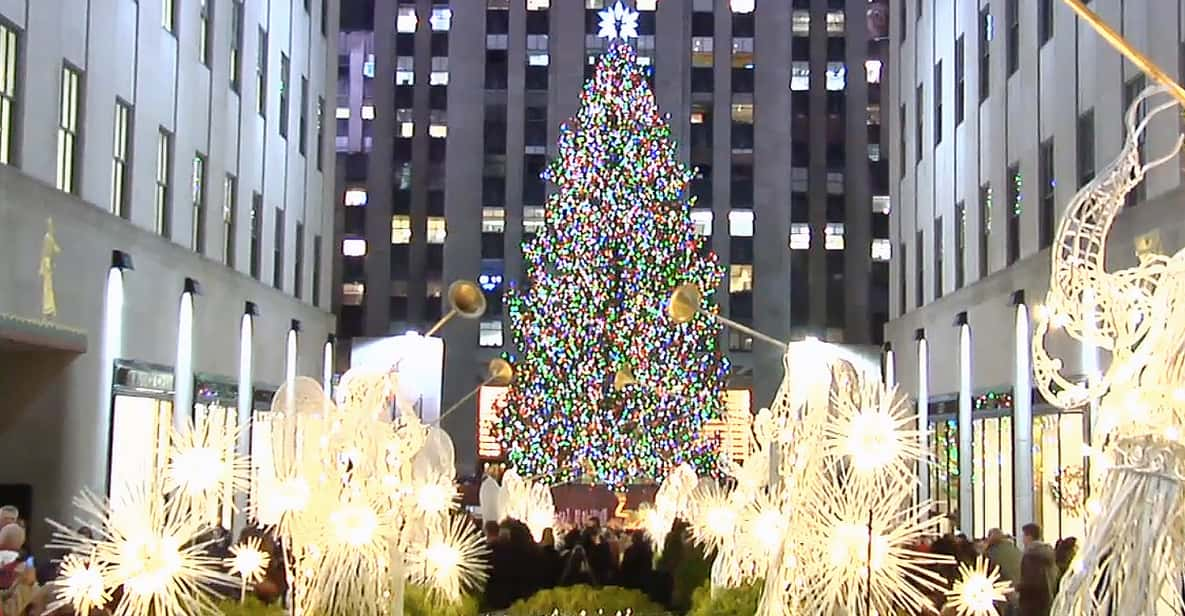
Rain does not switch the lights off. Homeowners leave the displays burning through rainy nights, so a wet forecast still shows a lit neighborhood. Rain is a comfort problem and nothing more.
Cold is the real opponent. December evenings in this corner of Brooklyn run from just below freezing to about 4°C, and the wind coming off the harbor cuts through anything thin.
You will spend 45 minutes to three hours on your feet, depending on how you visit, and standing still is what makes the cold bite.
Dress in a system: a moisture-wicking base layer, a fleece or wool mid-layer, and a windproof coat on top. A hat that covers the ears, insulated gloves, a scarf and wool socks matter as much as the coat. Boots with thick, waterproof soles keep the cold pavement and slush out of your toes.
If the night takes a turn, this is what follows:
| If this happens | What happens then |
|---|---|
| What happens if the night changes | How the plan bends instead of breaking |
| A rainy night | The displays stay lit; bring a rainproof coat and expect quieter sidewalks |
| Freezing rain or ice | MTA service may run reduced, and some express trains are suspended |
| Peak weekend traffic | A drive from Midtown can stretch from about 40 minutes to 90 |
| A heavy snowstorm | Traffic slows citywide; allow extra time and dress for standing still |
Ice and storms are the other risk. Freezing rain can slow the transit you depend on, and holiday traffic on peak December weekends can stretch a drive from Midtown from about 40 minutes to 90. Build slack into your return; skip any tight follow-on plan that same night.
None of this argues for cancelling. It argues for dressing for a hilly, open, harbor-adjacent walk and treating a rainy night as a slightly quieter one.
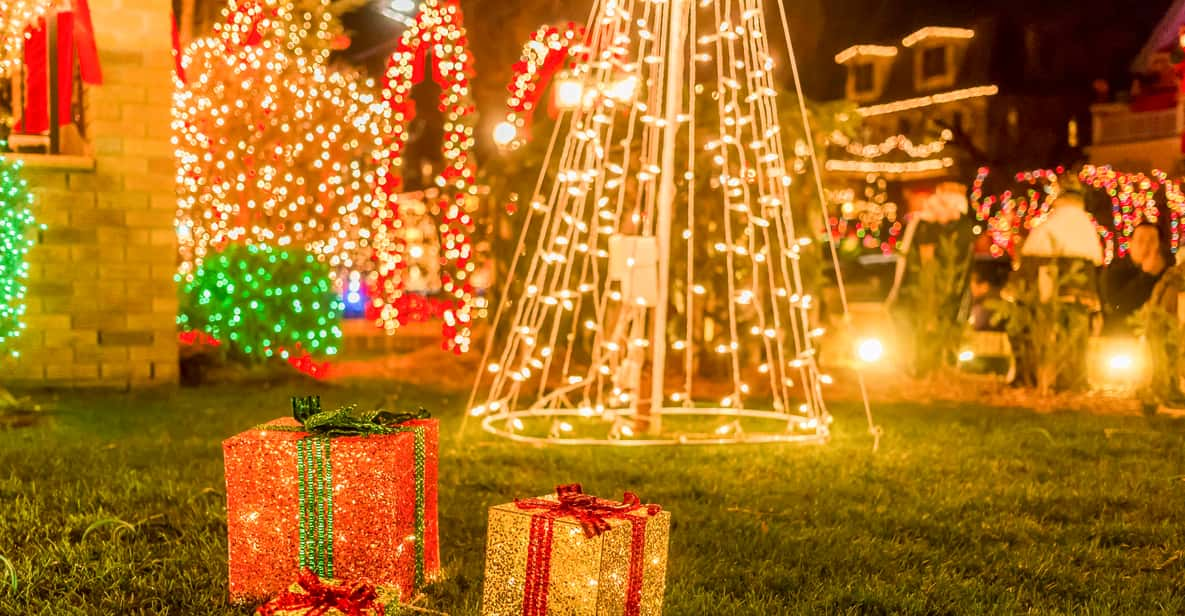
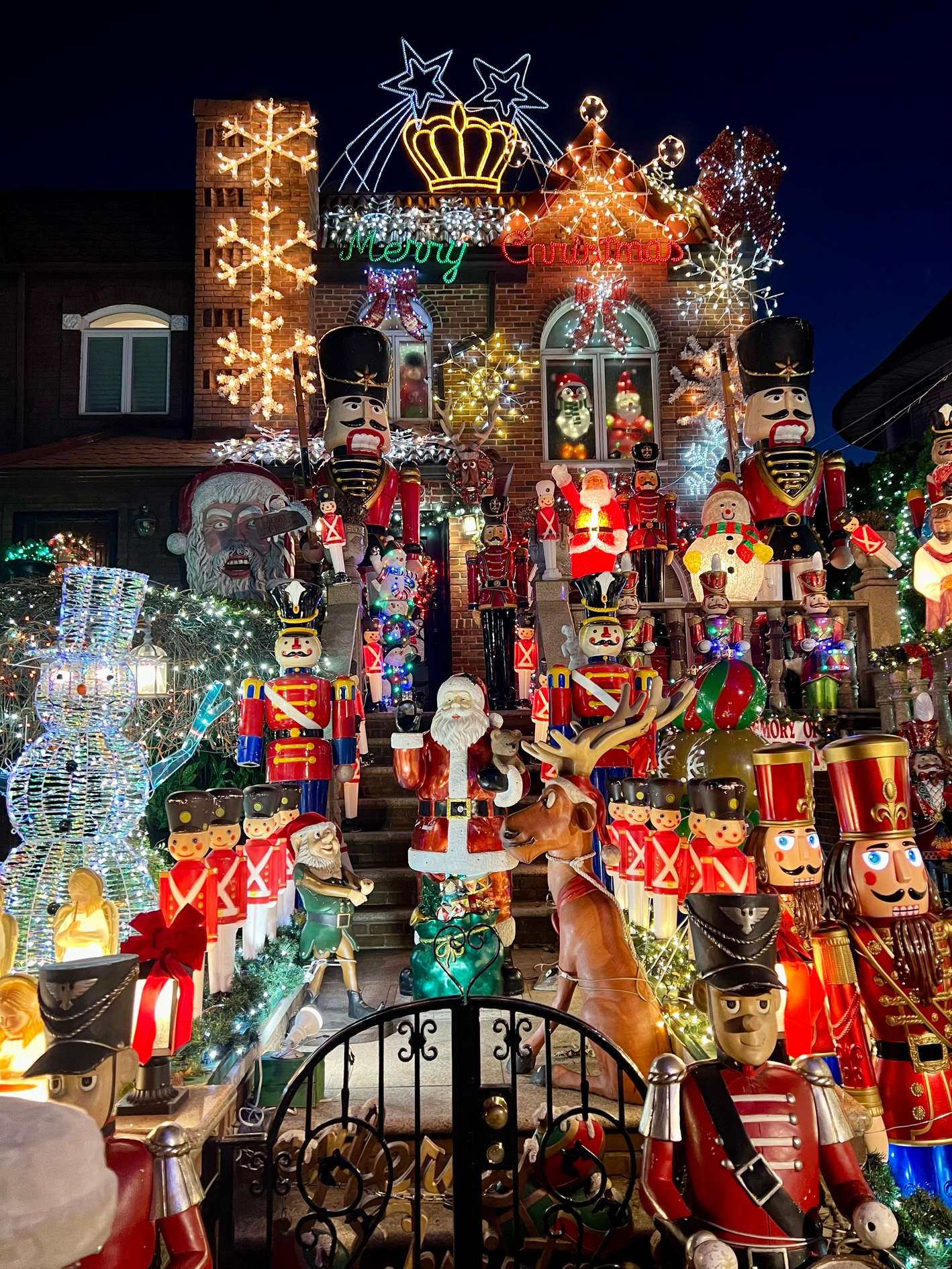
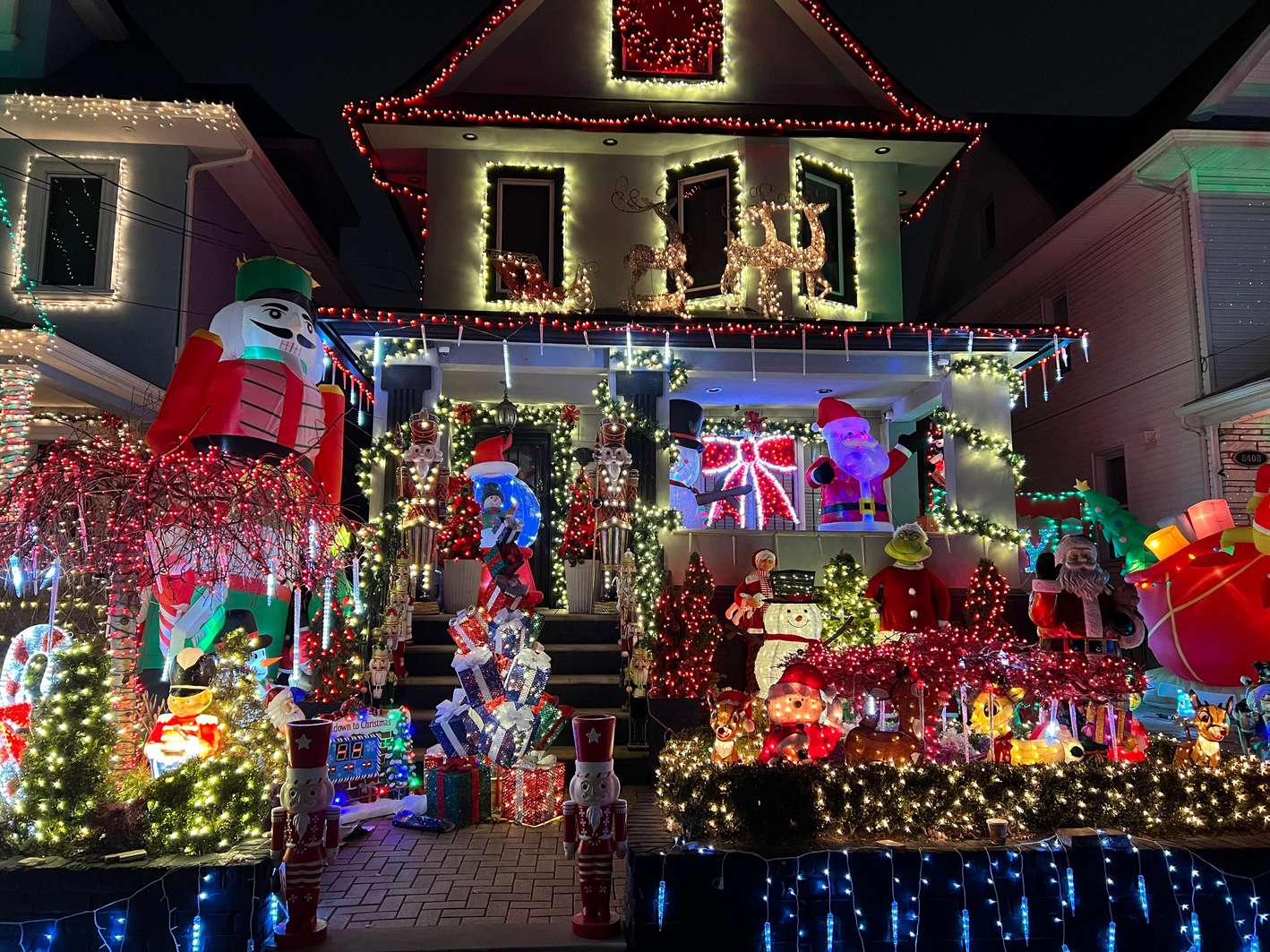
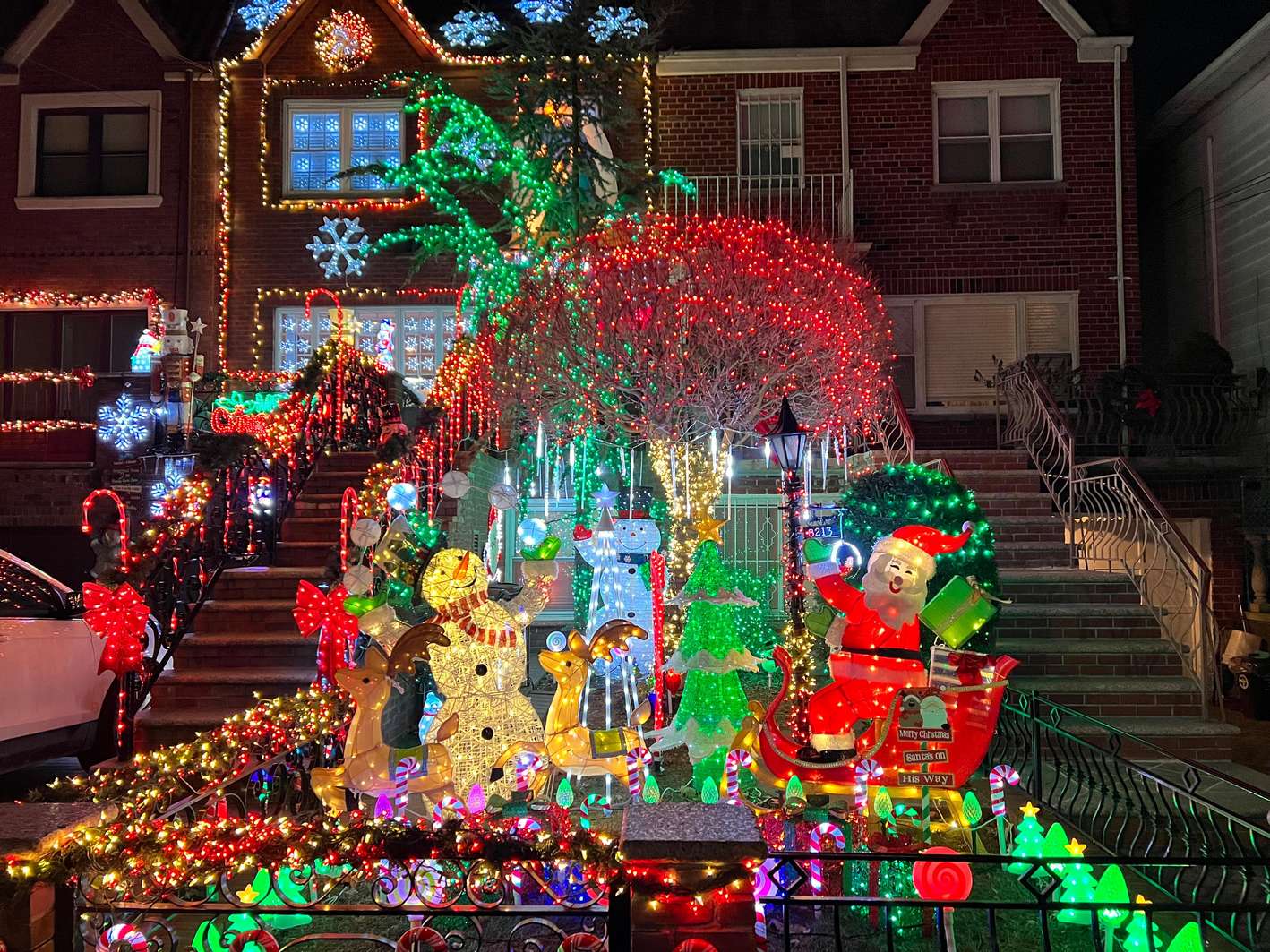
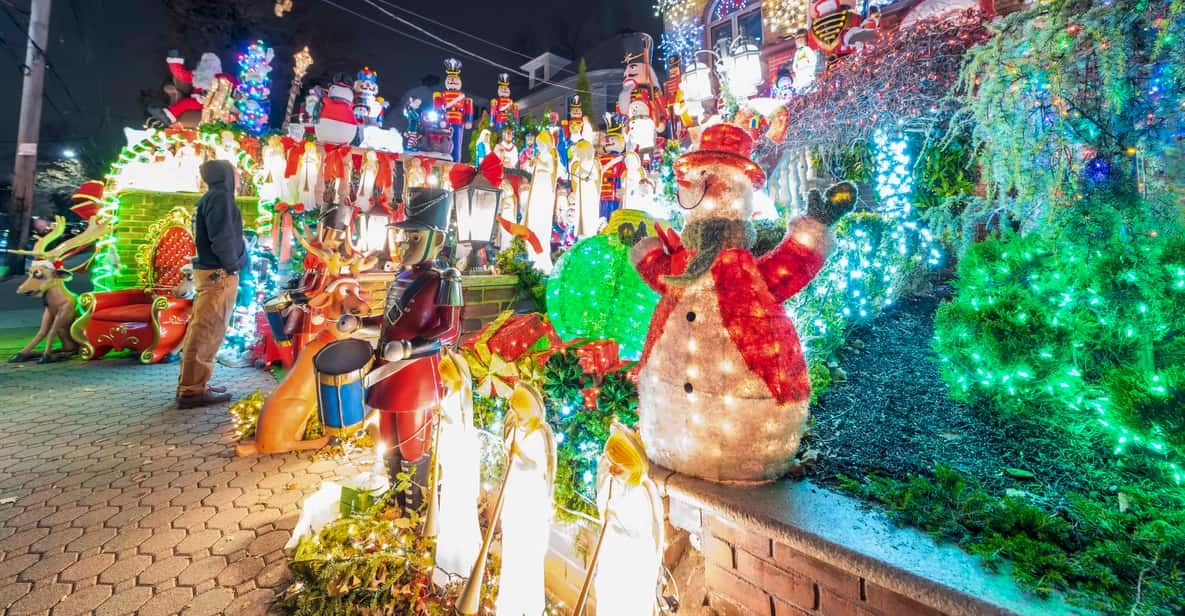
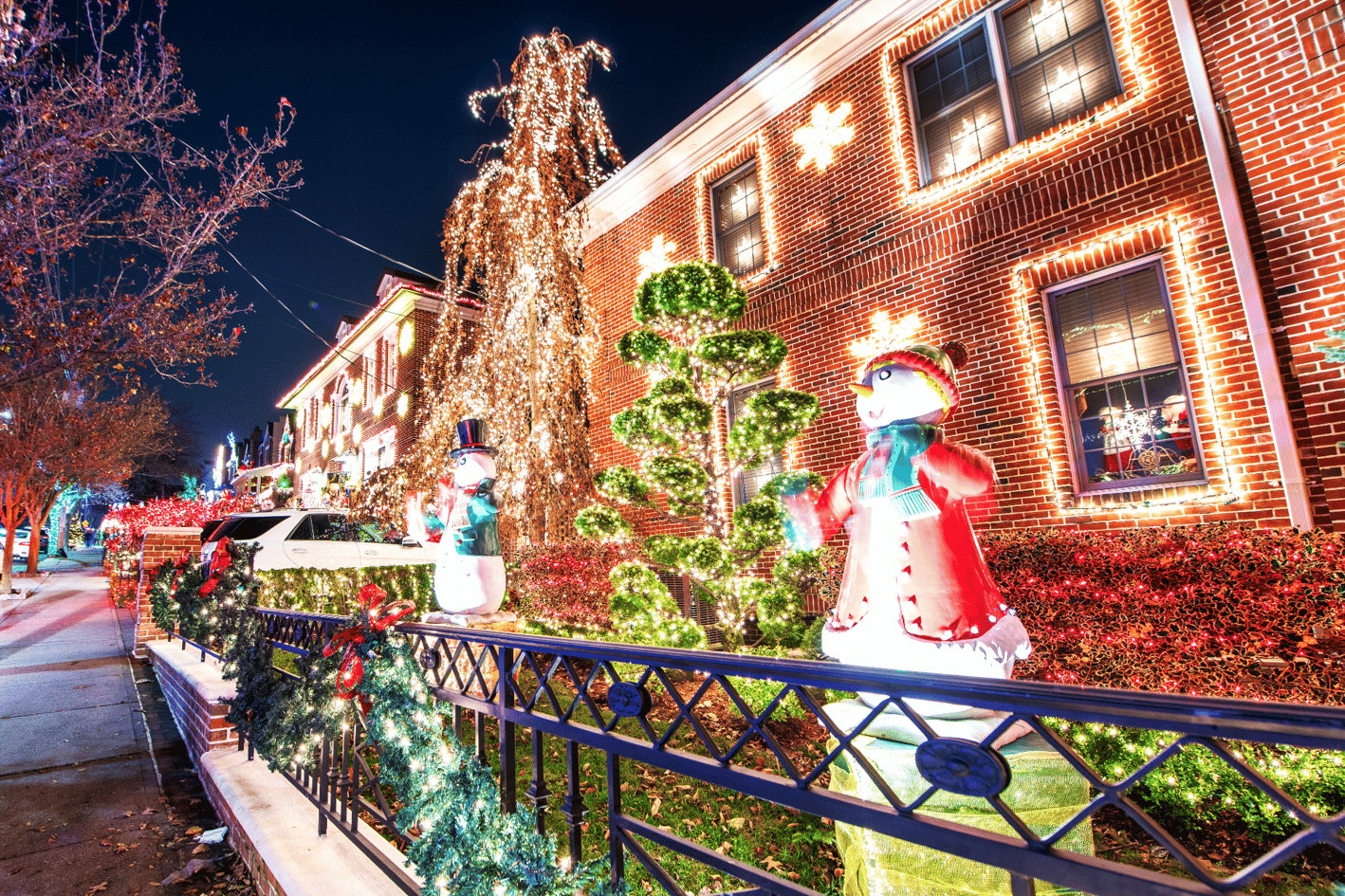
The neighborhood is big, but the show is concentrated. The densest displays sit on 83rd through 86th Streets between 11th and 13th Avenues, with 83rd Street from 10th to 12th Avenue and 84th Street up to 10th Avenue carrying the most elaborate setups. Walk those blocks and you have seen the neighborhood.
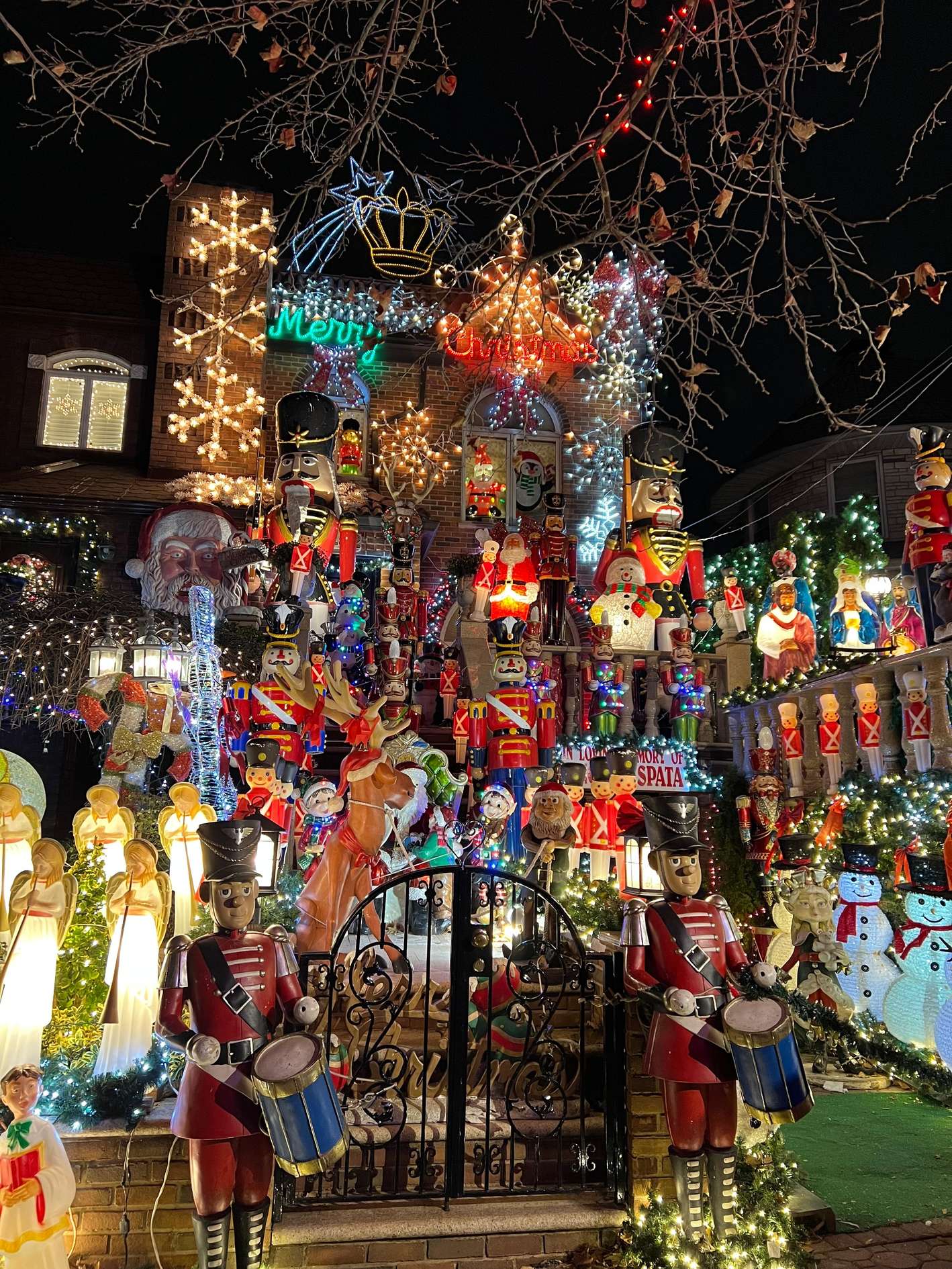
The tradition has an address. Lucy Spata moved to Dyker Heights in the fall of 1986, found her block dark in December, and started decorating her own house, first with angels in the front yard, then a snowflake on the roof and soldiers out front.
Neighbors complained, so she added more every year, and the competition that runs the street today grew out of that.
Plan the loop as a 45-to-60-minute walk at an easy pace with photo stops. Guided routes that start and end near the transit stops cover about three miles in total, so keep some energy in reserve for the uphill stretches.
The route in figures:
One thing to settle early: you see the detail on foot. From a car creeping through traffic, or from behind tinted windows, the displays flatten into smears. The sidewalks give you the angles, the synchronized music and the closer look that the whole trip is for.
A guided option does the route-picking for you. The Brooklyn: Dyker Heights Walking Tour of Top Christmas Lights spends an hour and a half on the best houses and tells the Lucy Spata story on the street where it started.

No subway station sits inside Dyker Heights, which shapes every arrival. The D train to 79th Street or the R to 86th Street leaves you a 15-to-25-minute uphill walk in the cold before the first bulb.
The walk suits a weeknight, when you can leave Midtown early enough to reach the blocks before the timers shut off. The full block-by-block version lives in the guide to getting there.
Driving trades the walk for other problems. The decorated blocks jam solid from 5 pm onwards, police frequently restrict access to the heaviest ones, and the NYPD posts temporary tour-bus parking rules along sections of 86th Street through January 3. Park several blocks out near 13th Avenue and walk in.
The way home has its own catch: no yellow cabs wait in Dyker Heights after 9 pm, so independent visitors summon a rideshare or take the subway. A driver solves all of this at once; the private tour options cover door-to-door pickups, and the e-bike version approaches by ferry instead of the jammed roads.
How each way of getting there compares:
The simplest arrival, though, is the one where somebody else holds the timetable. A bus tour from Midtown drops you at the edge of the decorated blocks, and has a warm seat waiting when the cold wins.

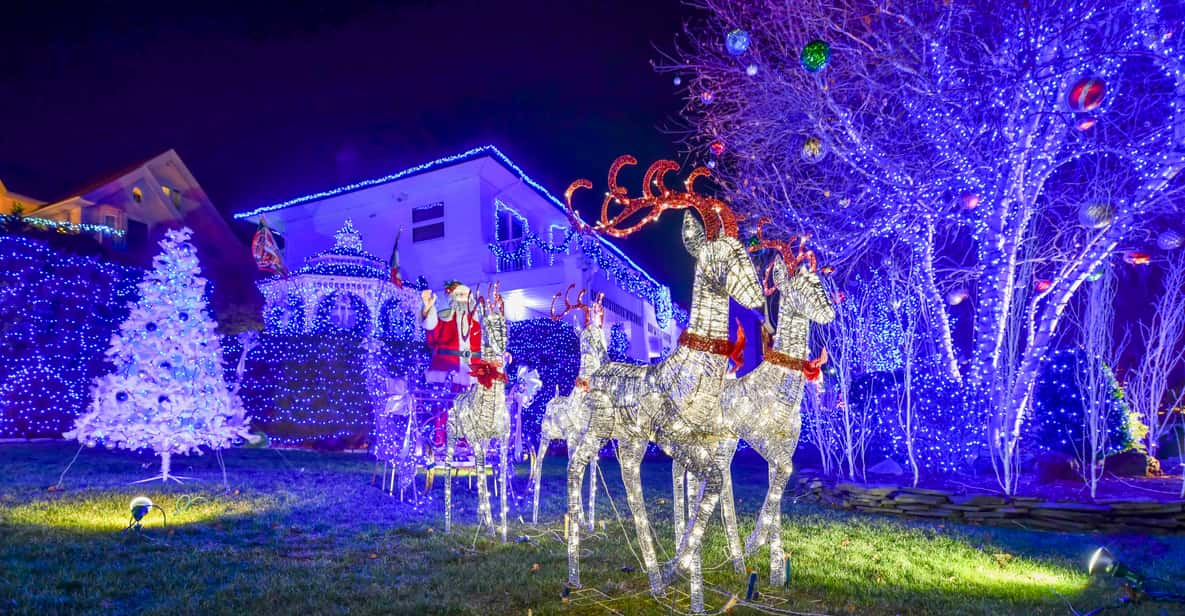
Start with the one that catches people out: there are no public restrooms anywhere on the residential blocks. It is a residential district with almost no visitor facilities.
Plan a stop at a cafe or shop on 86th Street or 13th Avenue before you start walking, because once a walking tour begins, there is nowhere to go.
Remember whose neighborhood this is. People live behind those displays, so keep your voice down, never block a driveway, and give residents their privacy when you photograph their houses. Pack your trash out with you; the streets have no bins waiting for it.
Safety is the part you can stop worrying about. Walking the neighborhood at night is calm and uneventful, on foot or coming by subway, and families fill the sidewalks all December.
The one planning note if you ride with small children: New York for-hire vehicles do not require a car seat by law, but you are welcome to install your own.
A few things regulars know that first-timers do not:
The commercial strips are where you find an open bathroom before the walk
Worth paying for on a night when your hands go numb
The displays cost the homeowners money and effort every single night
Food works the same way as restrooms. City rules bar vendors from selling off private driveways, so the hot chocolate, cider, empanadas and tamales come from vendors stationed near the displays or from storefronts on the commercial avenues. Buy your snacks before you start the walk.
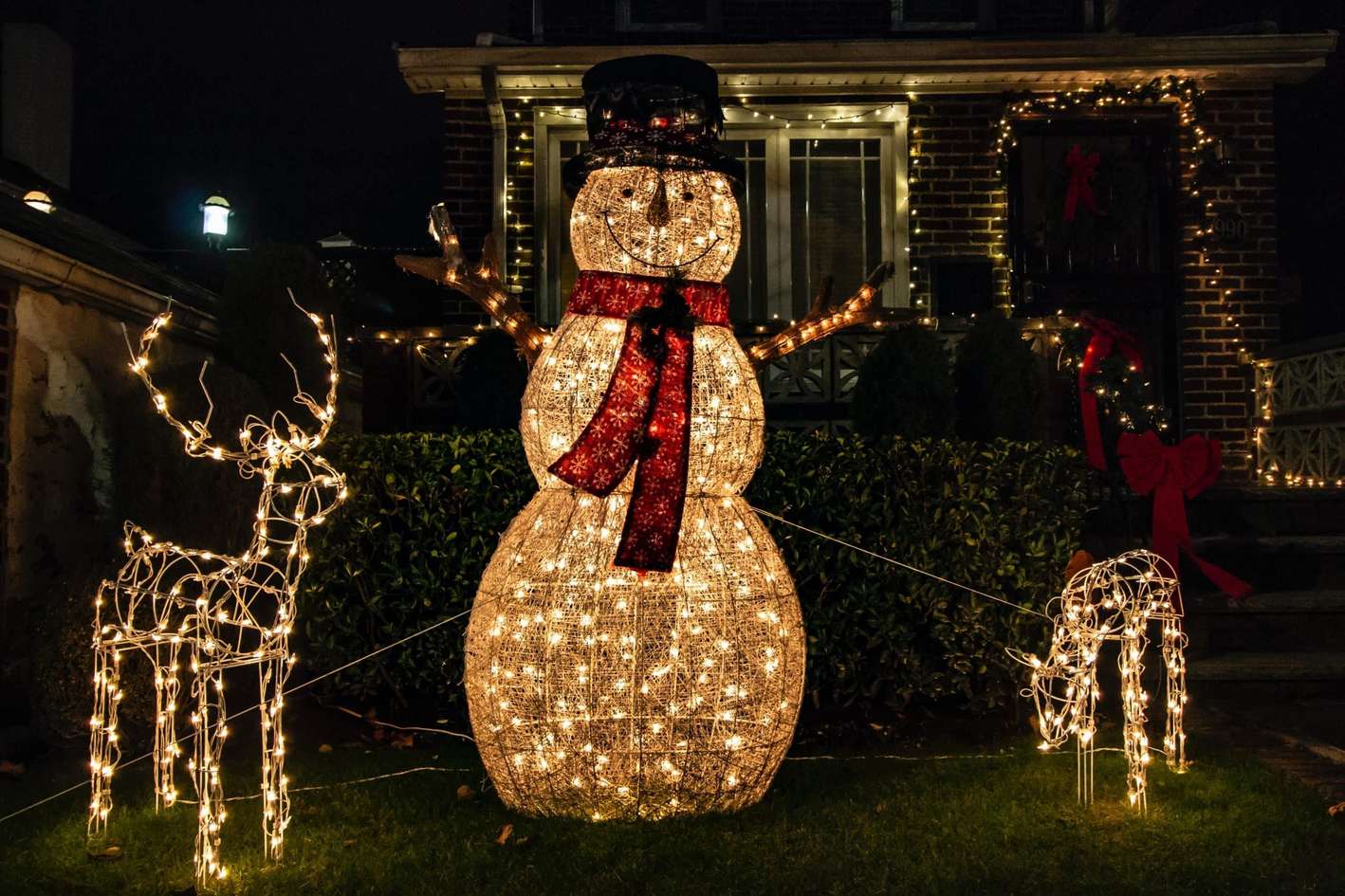
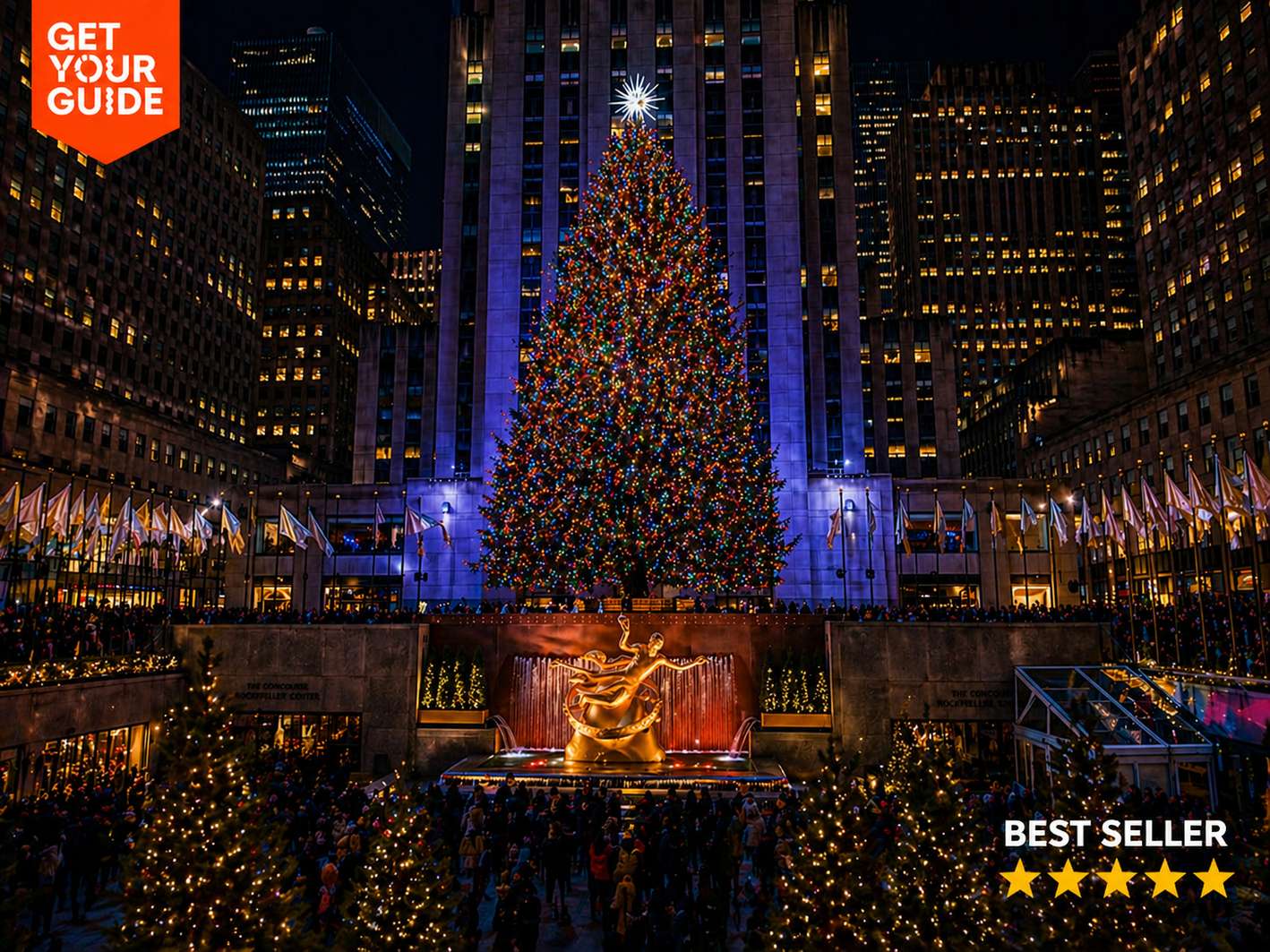
A lights evening has room around it if you plan the bookends. Before an early departure, Midtown hands you a warm-up for free: the tree at Rockefeller Plaza stands in a public plaza open at any hour, and the Saks Fifth Avenue light show runs roughly every ten minutes nearby. Neither needs a ticket.
On the Brooklyn side, Bay Ridge is the natural after-party. Restaurants and bars a short ride from the decorated blocks give you somewhere warm to eat before the trip home, which matters when no cabs wait at the curb and the return means a rideshare or the subway.
For a second, quieter round of lights, locals point to the 78th Street Holiday House and the decorated homes along Narrows and Colonial Avenues in Bay Ridge. The same glow, a fraction of the crowds, and close enough to pair with dinner in the same evening.
What sits within a short walk of the lights:
The rhythm that works: an early Midtown sightseeing stop, a dusk arrival in Dyker Heights, the walk through 83rd to 86th Streets, then food and warmth in Bay Ridge before heading back. One evening, two neighborhoods, no dead time in the cold.
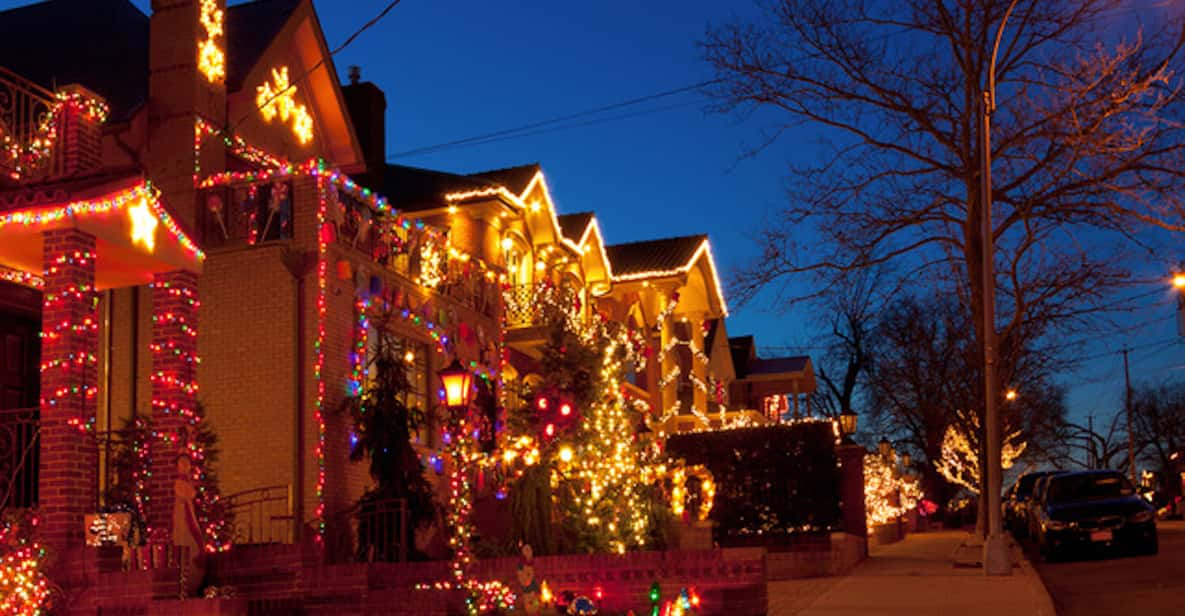
Dyker Heights rewards an early evening and punishes a late one. Get there between 4:30 and 5:30 pm on a weeknight in December, walk the core blocks, and you catch the neighborhood at full brightness before the crowds. Arrive after nine and you are looking at timers going dark.
See the light shows, markets and displays across all five boroughs in one planning guide.
Find out what actually glows in Central Park after dark, and which southern corners to stick to.
Trade the Brooklyn walk for a heated bus past Manhattan's tree, windows and movie sites.
Prefer a warm seat? A private limousine ride covers the lights without the crowded sidewalks.
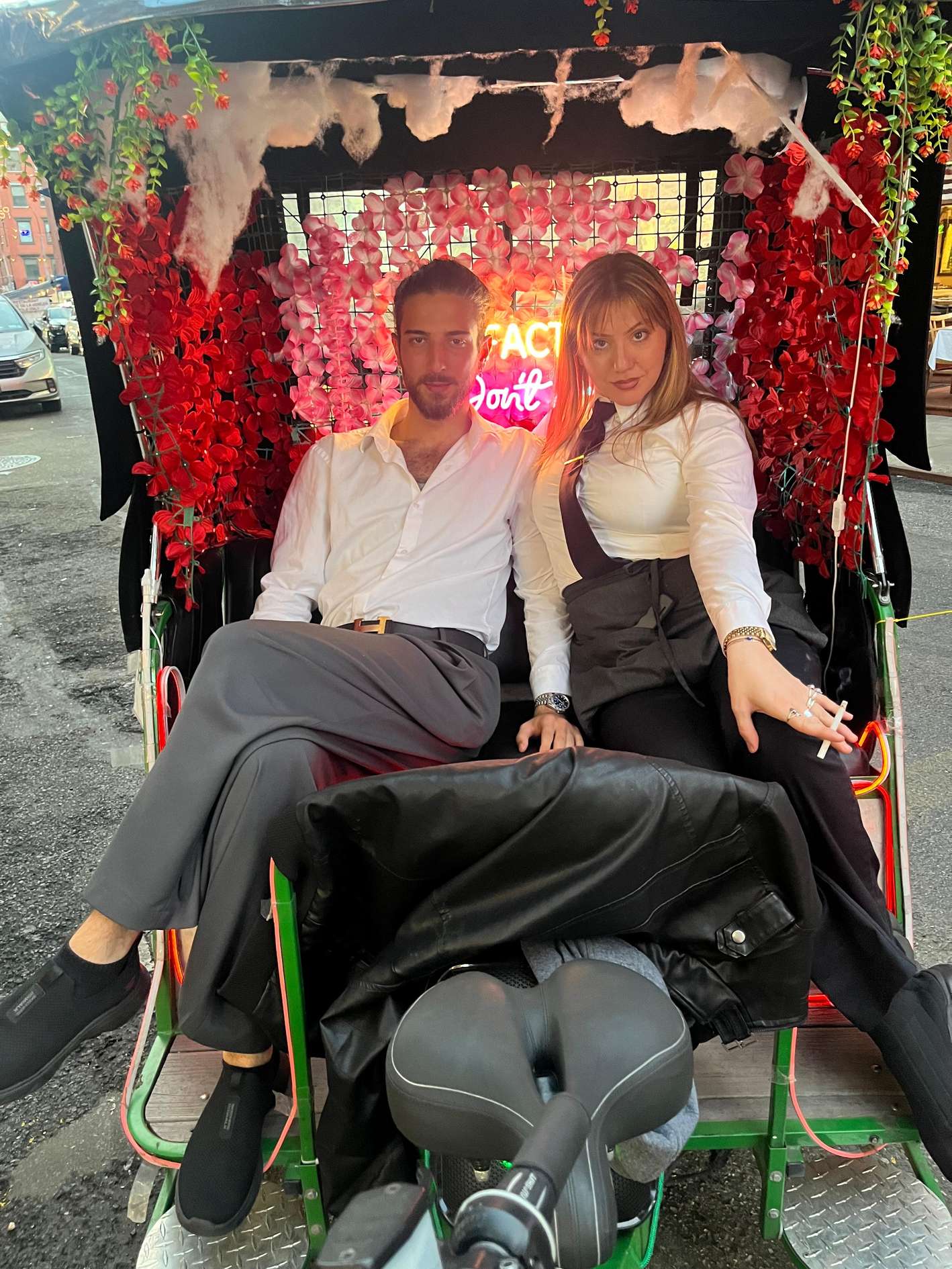
Let a pedicab driver handle Central Park so your feet and fingers stay out of the cold.
The questions visitors ask most about when the Dyker Heights lights turn on, when they go dark, and how long the season lasts.
 New York City2026
In December, expect the displays to switch on around sunset, at about 4:30 to 5 pm. Each homeowner sets a timer independently, so blocks brighten over roughly half an hour.
Most homeowners turn their timers off between 9 pm and 10 pm. A few of the major houses leave their displays lit until 11 pm or midnight, but plan around 9 pm to be safe.
No. The displays run from dusk until about 9:00 or 10 pm, when most homeowners switch off their timers. Arriving after 9 pm risks a walk past darkened houses.
There is no official switch, since the displays are private and homeowner-run. In practice the neighborhood is broadly illuminated by December 1 and stays lit nightly through the month.
Homeowners begin turning displays on in late November after Thanksgiving, and the neighborhood is broadly lit by December 1. There is no official start date to point to.
Most houses stay lit through New Year's Day, and many keep going until January 6, Epiphany. Some homeowners begin taking decorations down after January 1, so the first week of January can look thinner.
Yes. Displays stay on throughout holiday week, through New Year's Eve and New Year's Day, and often until Epiphany. Guided tours keep running into early January too.
Yes. The homes remain fully decorated between Christmas and New Year's Eve, and the displays stay active throughout holiday week and the New Year's weekend.
Arrive between 4:30 and 5:30 pm to catch the displays switching on at dusk, before tour buses and sidewalk crowds build between 7:00 and 9 pm. That window also skips the worst street congestion.
Monday through Thursday evenings have the thinnest sidewalk crowds in December. Friday through Sunday draw packed sidewalks, tour buses, and heavy traffic.
The core blocks between 83rd and 86th Streets take about 45 to 60 minutes at an easy pace with photo stops. Guided routes that start and end near transit run roughly 3 miles.

This four-hour bus tour leaves Manhattan at 4 pm, so you reach the decorated blocks right as every display switches on at dusk, and you can cancel free up to 24 hours ahead.