
1.5 hours·English, German
5.0(1)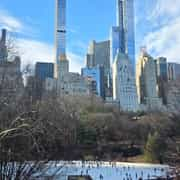
NYC: Pedicab Tour of Christmas Movie Sites & Holiday Lights
Free cancellationHot drinksPhoto stops at iconic landmarks
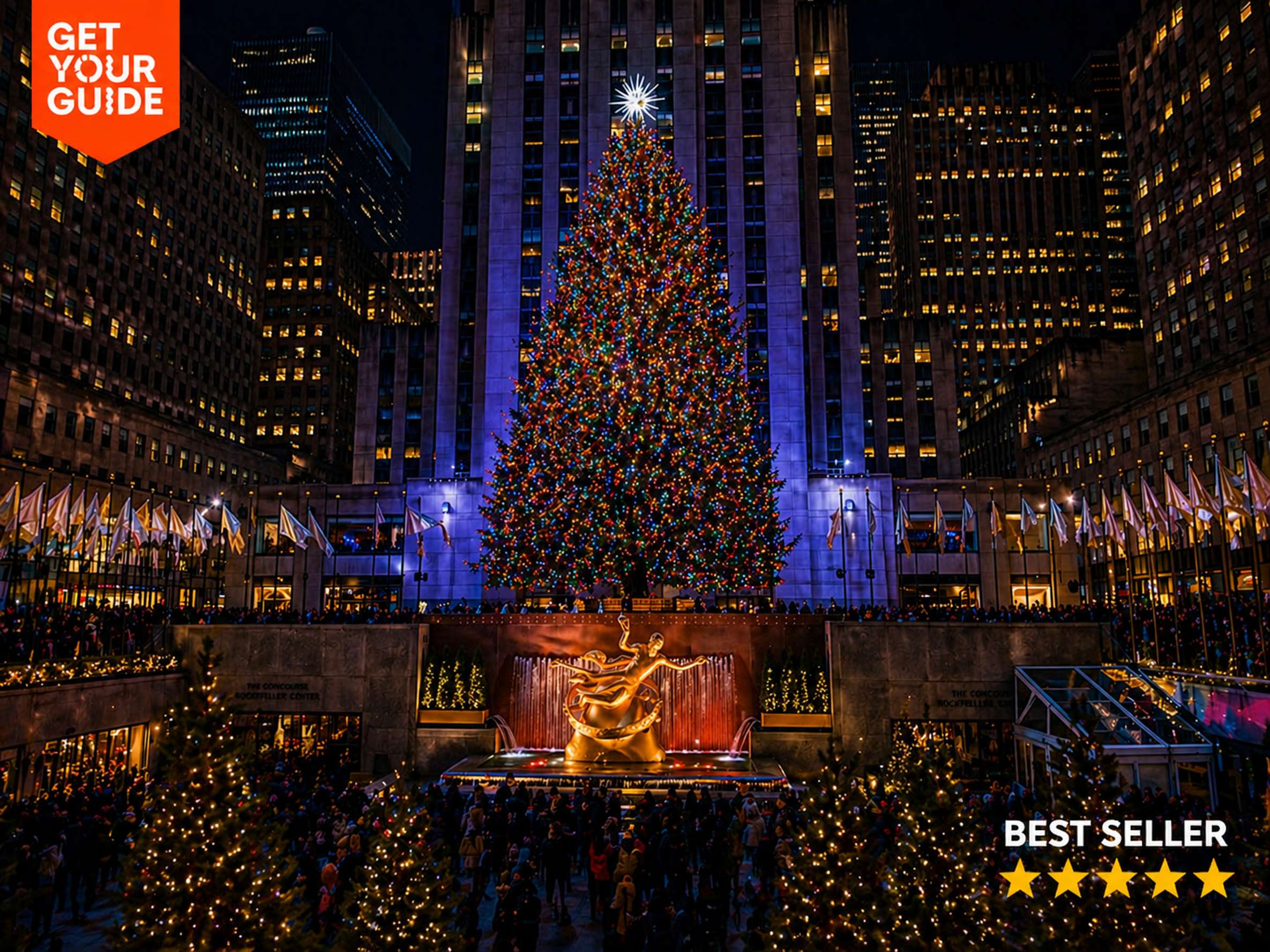
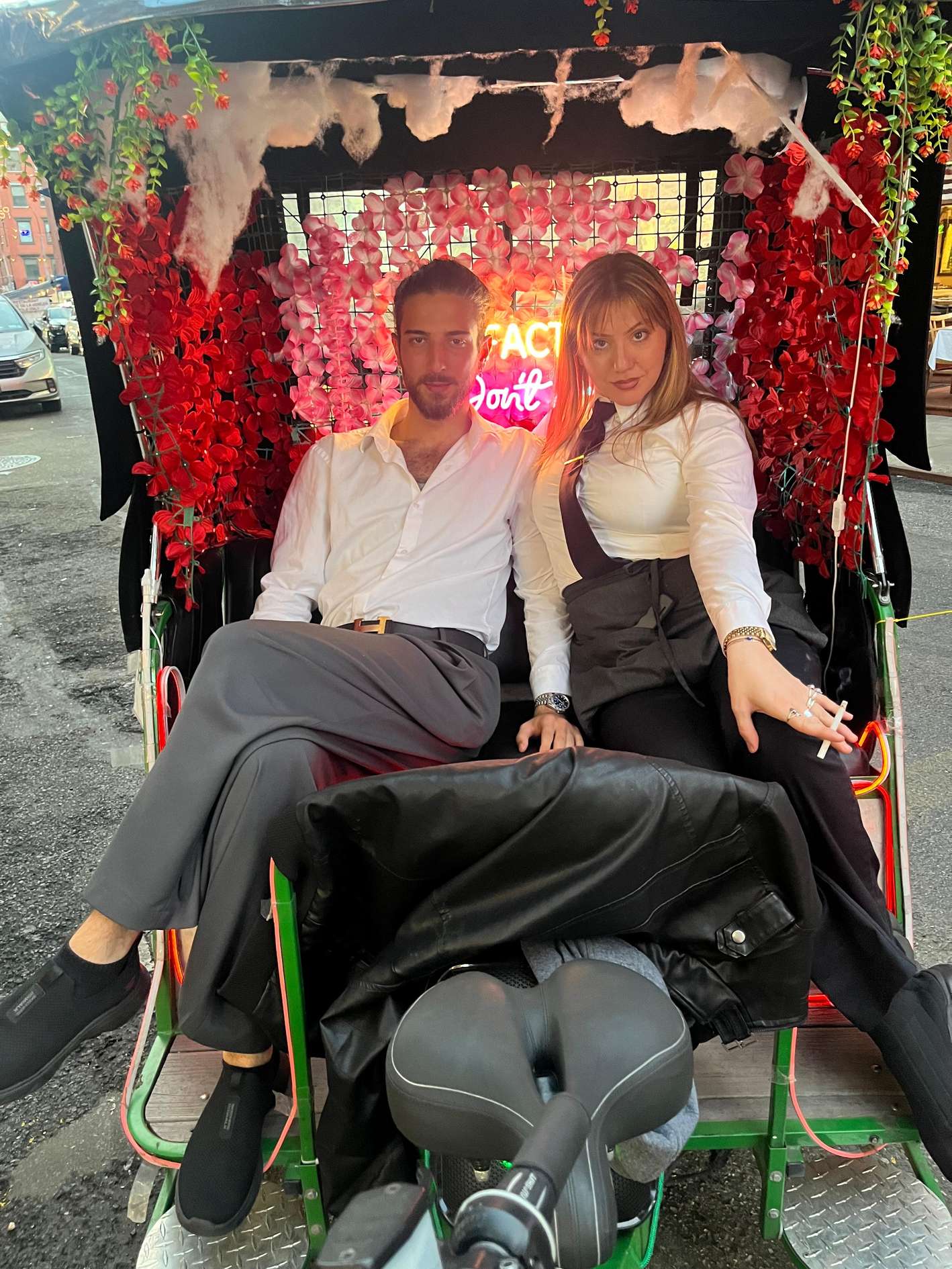
Find the lit spots in Central Park without walking dark miles in the cold. Hop aboard a guided Christmas pedicab ride with blankets, hot drinks and movie sites on the route. Ride straight to Wollman Rink, Gapstow Bridge and the Rockefeller Center tree, then book your seat while December dates still have room.
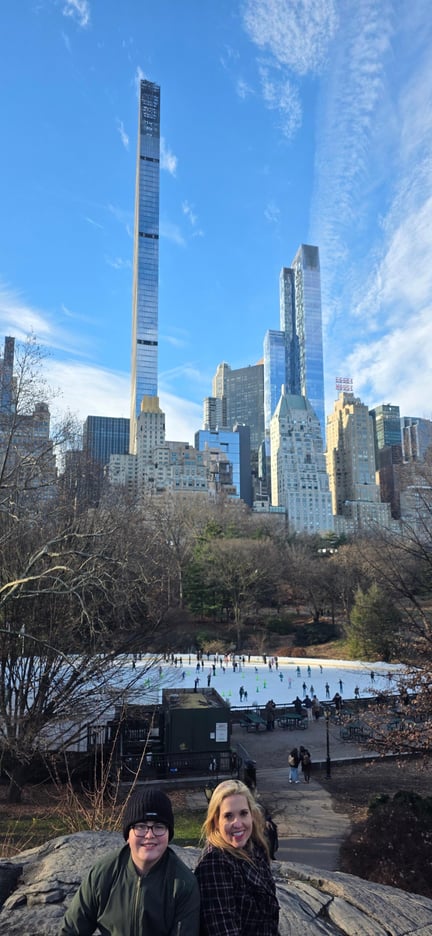
"Booking our tour in advance took all the stress out of our Central Park visit! Loved riding around and spotting the famous movie scene locations."
Central Park keeps its bare winter trees dark, and the sparkle hides in a handful of spots most visitors miss. Know which ones glow and how to reach them without freezing, and the evening works.
The park does not string lights across its 843 acres; the glow sits at Wollman Rink, the Harlem Meer flotilla, and a few perimeter spots.
Wollman Rink in the southeast corner is ringed by trees wrapped in thousands of small white bulbs and glows late into the night.
The Columbus Circle Holiday Market at the southwest gate runs through late December and pours hot cider right where your walk ends.
Go north to the Harlem Meer tree flotilla in daylight; deep in the park after dark you find only ordinary street lamps.
A pedicab seats two or three and covers the movie sites with hot drinks on board, and carriages carry blankets through the park.
Keep to the southern edge between Columbus Circle and Wollman Rink, where the decorated spots sit within a short walk of each other, or cover the ground from a blanket-wrapped pedicab ride instead.
The lights come on at Wollman Rink just after sunset, and for a moment it looks like the whole park must glow the same way. It does not. Central Park keeps its natural, historic character through the holidays, with the decoration limited to a few specific pockets. Nothing glows across all 843 acres.
That is the honest starting point: a rink ringed in white bulbs, a flotilla of small trees on the Harlem Meer far to the north, hotel entrances along the perimeter with their own trimmings. Everywhere else, the paths carry the same street lamps they carry in July.
Knowing that changes the whole visit. Instead of wandering miles of dark trails hoping for lights, you aim straight at the pockets, and every one of them happens to sit within a short walk of the park's southern edge.
Start at the southeast corner. Wollman Rink glows late into the night, bordered by snow-dusted trees wrapped in thousands of small white bulbs, and skaters loop beneath the skyline long after the office towers dim. It is the single most festive spot inside the park.
From there, the evening ends well at the other southern corner. The Columbus Circle Holiday Market sits just outside the southwest gate at Merchants' Gate Plaza, running from late November through December 24 or 31, with more than 140 vendors selling cider, cocoa, food, and gifts from local makers.
Steps away, the Shops at Columbus Circle hang Holiday Under the Stars indoors: 44 illuminated stars and 300,000 twinkling lights, with choreographed shows every 30 minutes from 5 pm to midnight daily.
Perimeter hotel entrances carry their own decorations too, so the walk between spots never fully goes dark. The pattern that works: tour the park first, then warm up at the market stalls the moment you exit.
Gapstow Bridge spans the Pond at 62nd Street on the East Side, and it is the spot people photograph most. Winter strips the leaves away, so the bridge frames the Central Park South skyline with nothing in the way. This is where Kevin meets the Pigeon Lady in Home Alone 2: Lost in New York.
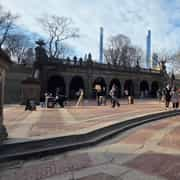
Two blocks of walking connect you to more film history. Bethesda Terrace and its fountain appeared in both Home Alone 2 and Elf, and Pinebank Arch near West 62nd Street on the southwest side hosted the snowball fight scene in Elf.
The arch is a plain pedestrian bridge you can cross any day; the park itself opens free from 6 am to 1 am year-round.
Umpire Rock's bare bedrock puts Midtown in view, and with the leaves gone, the Ramble and the 1.58-mile Reservoir track open long sightlines of their own.
Notice how tight the southern cluster sits. Group your stops within one neighborhood like this and the cold never gets a chance to wear you down between them.
The tradition most visitors never hear about sits at the far north end. The Central Park Conservancy floats a flotilla of small illuminated Christmas trees on the Harlem Meer each holiday season, glowing nightly across the water beside the Charles A. Dana Discovery Center on the East Side at 110th Street.
Here is the part that shapes your whole plan: the vast northern interior stays dark after sunset. Those paths carry only regular street lamps, and first-timers chasing holiday atmosphere do best along the southern perimeter between Columbus Circle, the Plaza Hotel, and Wollman Rink.
So split the day in two. See the flotilla and the north end while the light still lasts, then move south for the rink and the market once darkness falls. Sun sets around 4 pm in December, which gives you a narrow but workable window if you start early.
Crossing the park between the two takes real time in the cold. Do the north first, exit, and re-enter at the south; walking the dark middle stretch twice earns you nothing.
Two clocks rule the season. The park's holiday lights, anchored by the Dana Discovery Center display and the Harlem Meer flotilla, switch on in the first week of December and stay lit through the holidays into January. The rink runs on its own longer clock, operating daily from late October through mid-March.
Crowds run on a third clock entirely. November evenings in the park sit at the quietest visitation level; December surges to the busiest of the whole year, and January stays at that top level even as the lights wind down.
Read that against the calendar and the choice gets simple. Early December gives you lights with thinner paths. The weeks around Christmas give you the fullest displays and the fullest sidewalks in equal measure.
One small pleasure fits any week: the Central Park Carousel runs daily from 10 am until dusk through November and December, a warm few minutes before the cold walk resumes.
The city's big decorations generally go up by Thanksgiving weekend and come down during the first week of January, so the whole season lives inside roughly six weeks.
The park covers 843 acres, and that number decides the evening. Walking gets you the deepest detail at the slowest pace, but a walking tour shows only a fraction of that ground.
A horse-drawn carriage wraps you in blankets and carries covers against rain and snow, though the law confines carriages to the park itself and bars them in blizzards or when the temperature drops below 19°F.
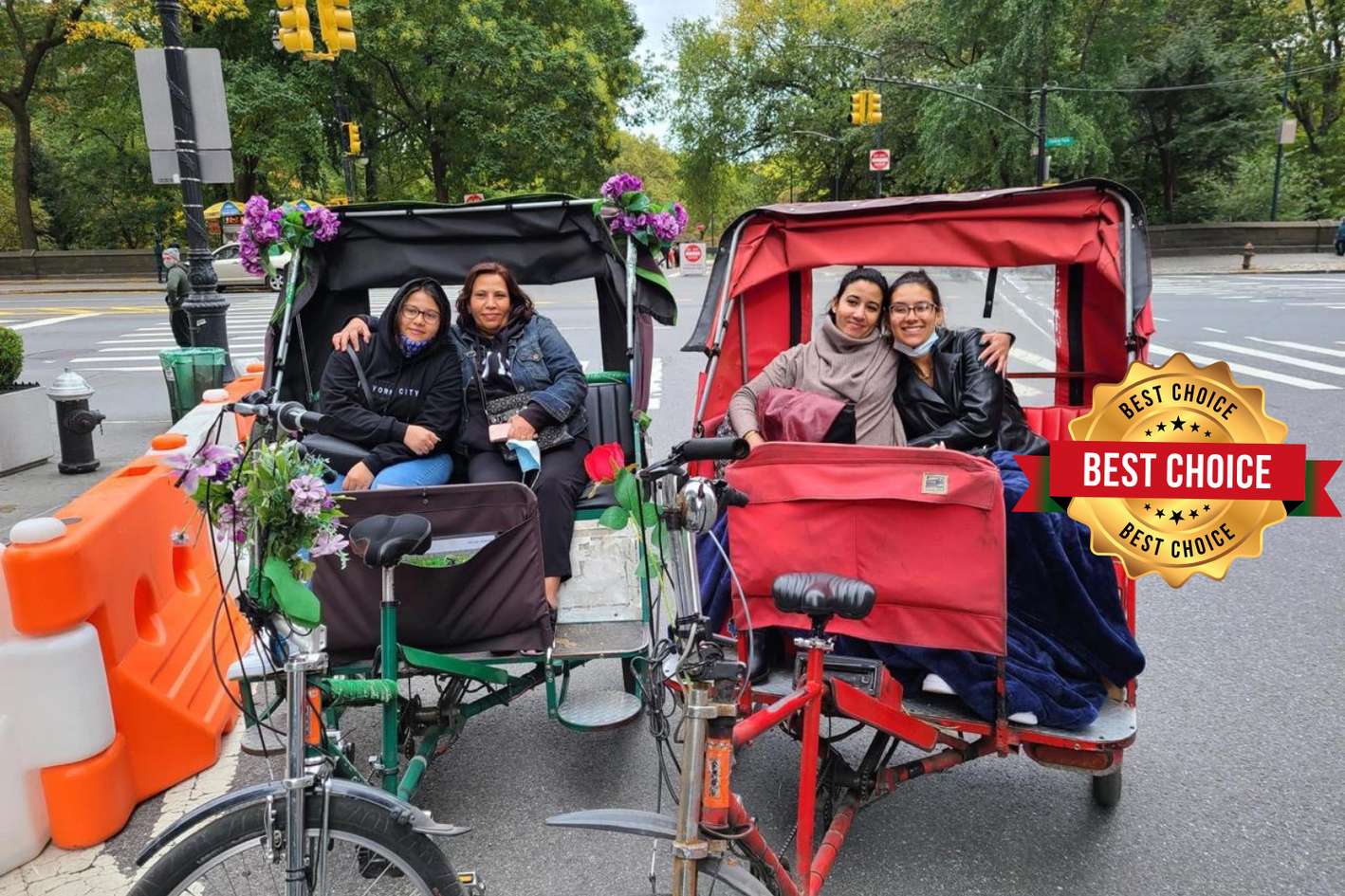
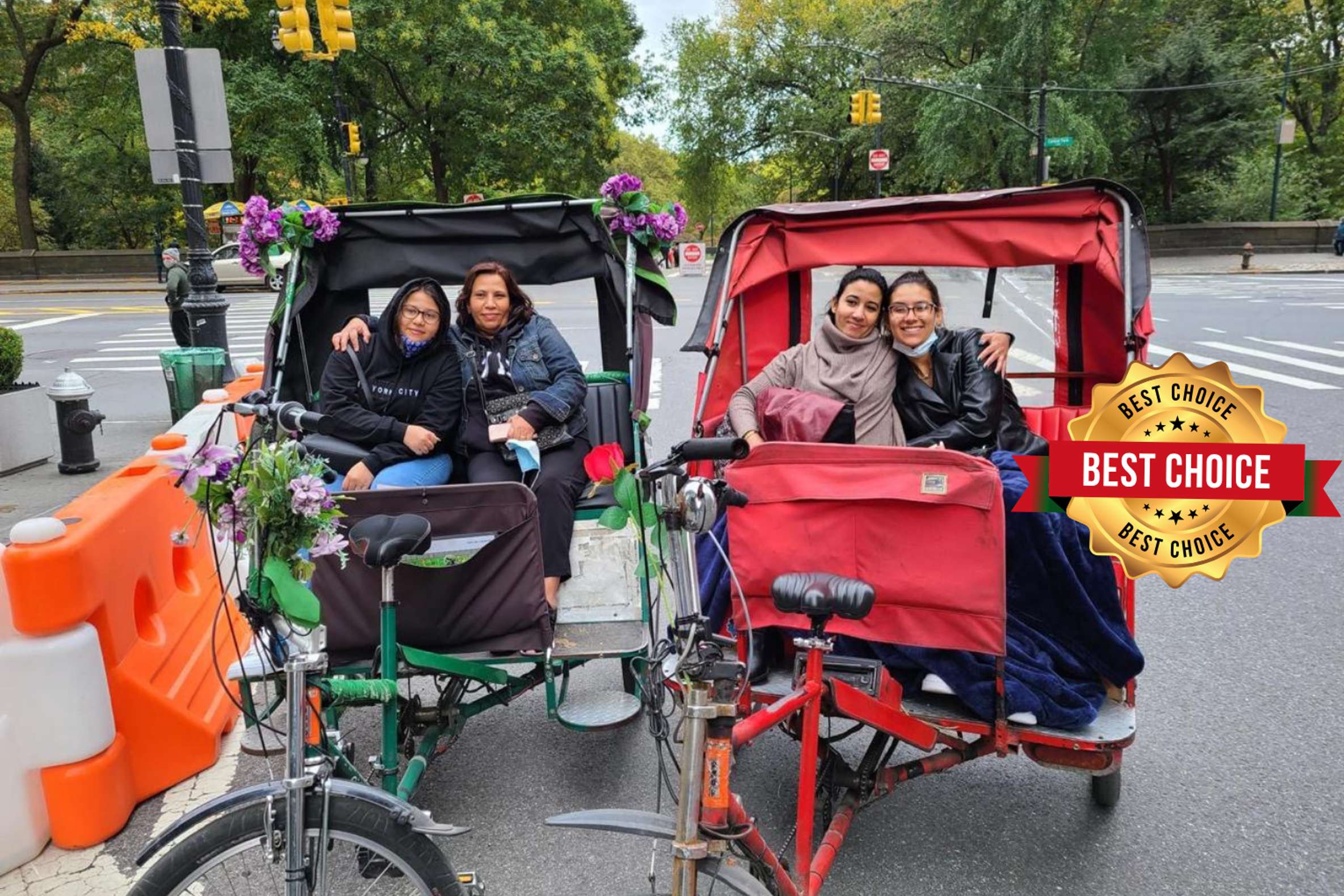
A pedicab splits the difference: a driver pedals while you sit wrapped up, and a ride seats two to three passengers. It moves quietly and covers more ground than any walk.
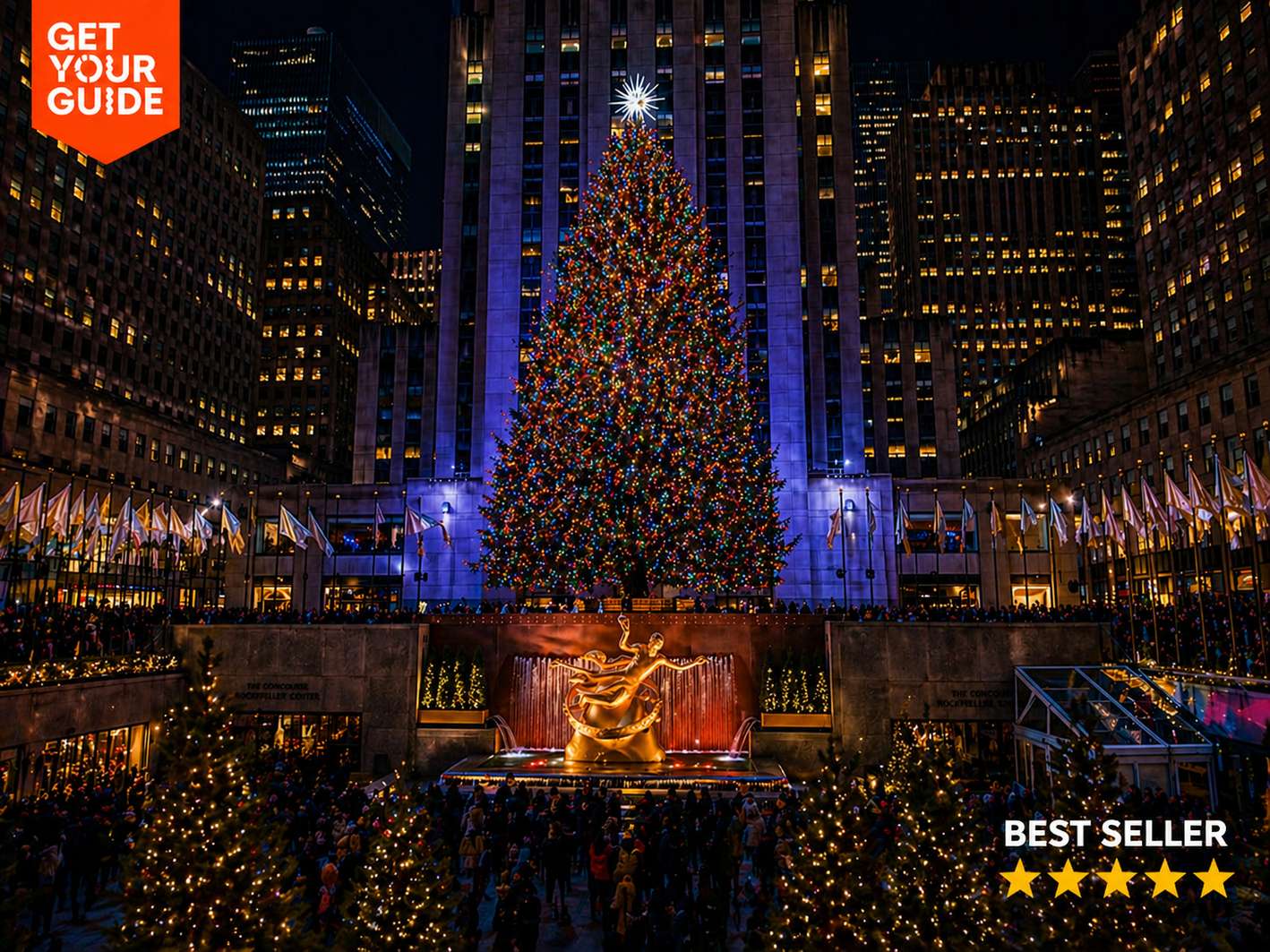
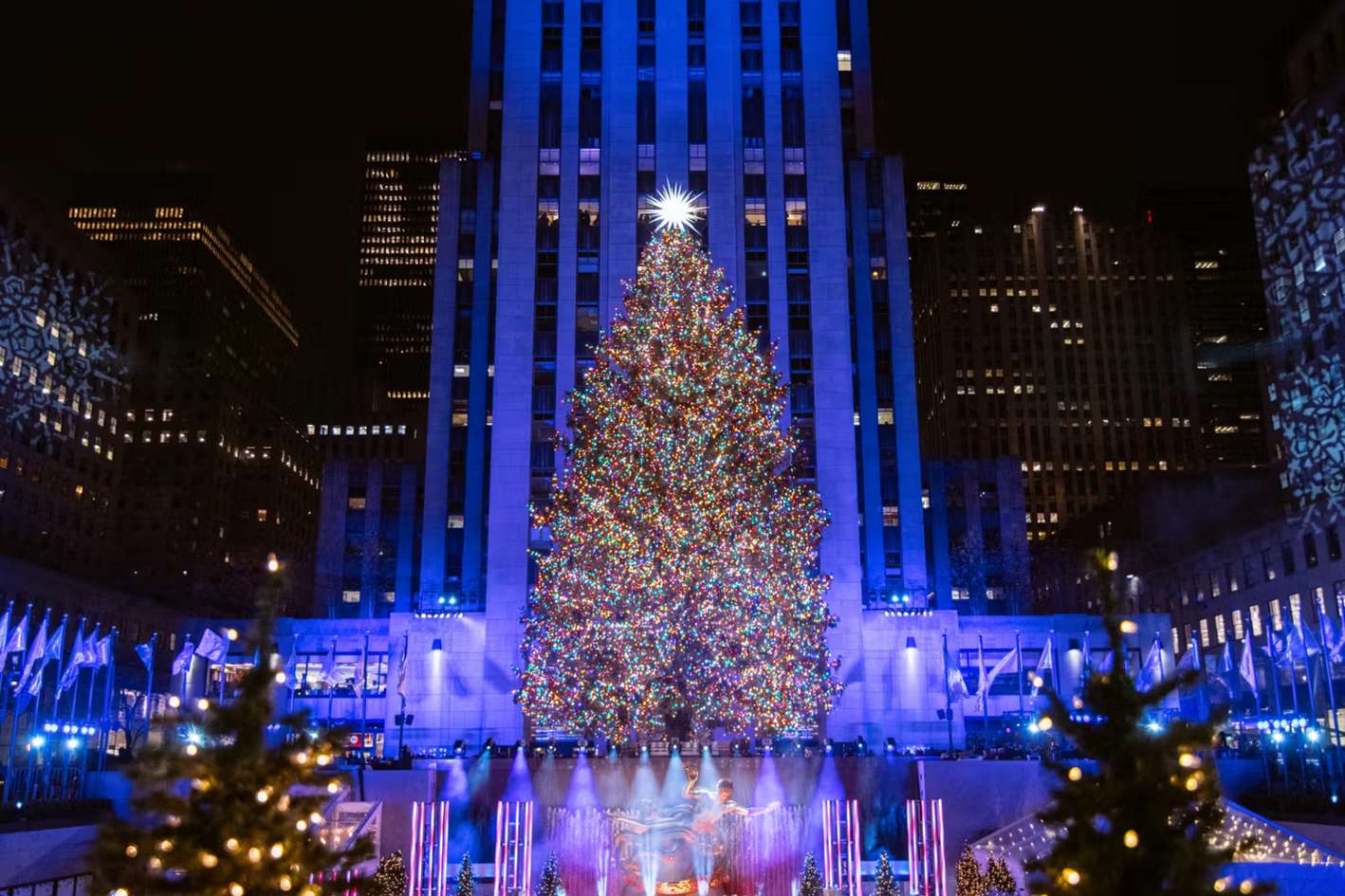
The NYC: Pedicab Tour of Christmas Movie Sites & Holiday Lights runs 1.5 hours past the giant Midtown holiday tree, Saks Fifth Avenue and Macy's windows, and the Wollman Rink from Home Alone 2, with hot drinks and Christmas music included.
| Check | Why it matters | Our pick |
|---|---|---|
| Fixed total price | street pedicabs charge per minute, and disputes start when a flat rate turns per-person at the end | your booking sets one price up front |
| A licensed pedicab | a DCWP registration plate, posted rate signs, and the official information card separate real operators from hustlers | a booked tour skips the street gamble entirely |
| Clear weather terms | heavy rain or iced-over rides pause trips | cancel up to 24 hours ahead for a full refund |
Street pedicabs charge by the minute by law, and disputes happen when a rate that sounded like a flat total turns per-person at the end.
Agree a fixed price before you board, check the DCWP registration plate and posted rate signs, and keep the official information card the driver hands you. Tip 15 to 20 percent for good service.
Whatever you ride, dress for sitting still: a thermal base layer, fleece-lined pants, a windproof coat, a hat, and gloves, because feet get cold first on an unheated bench.
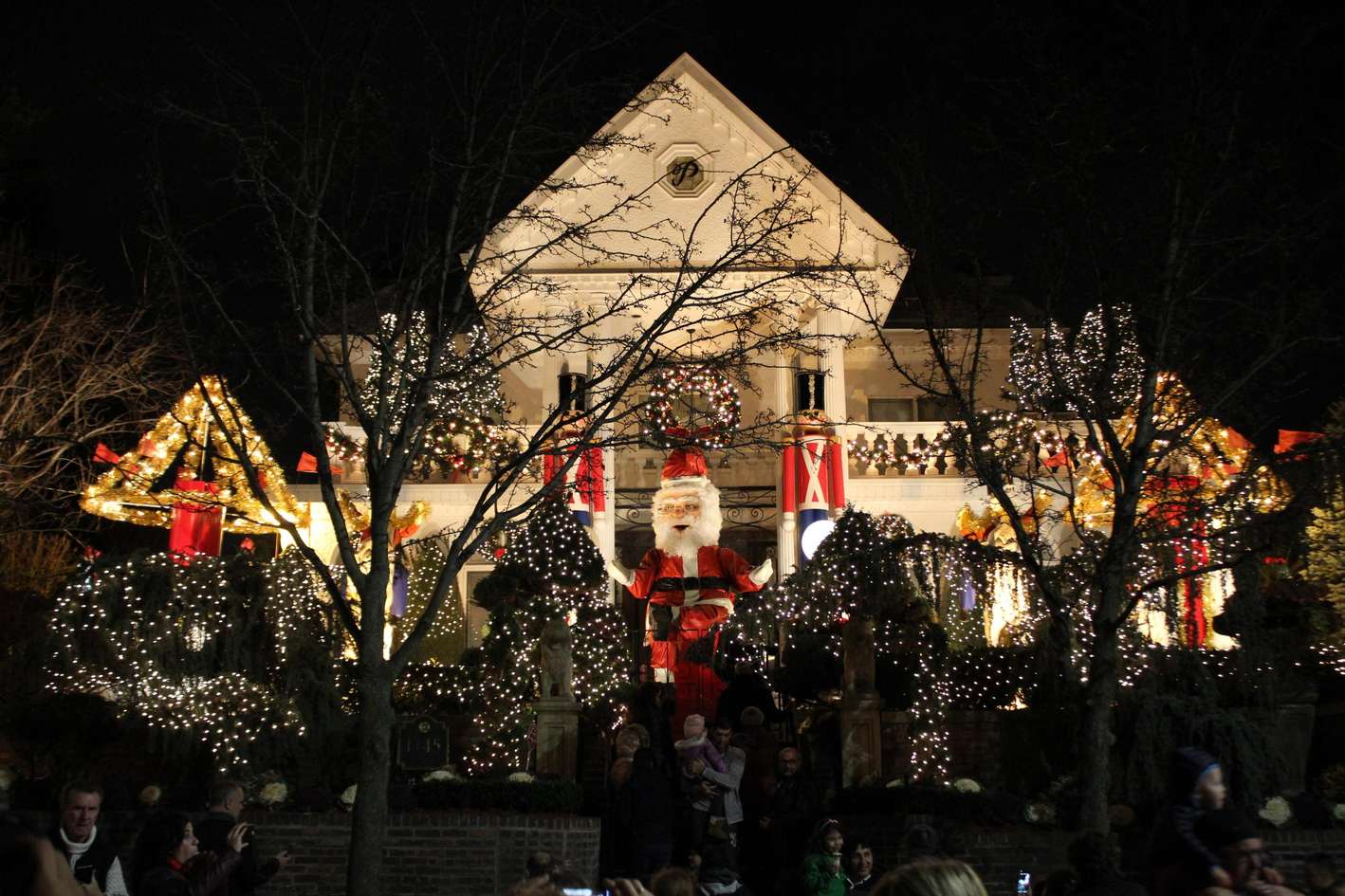
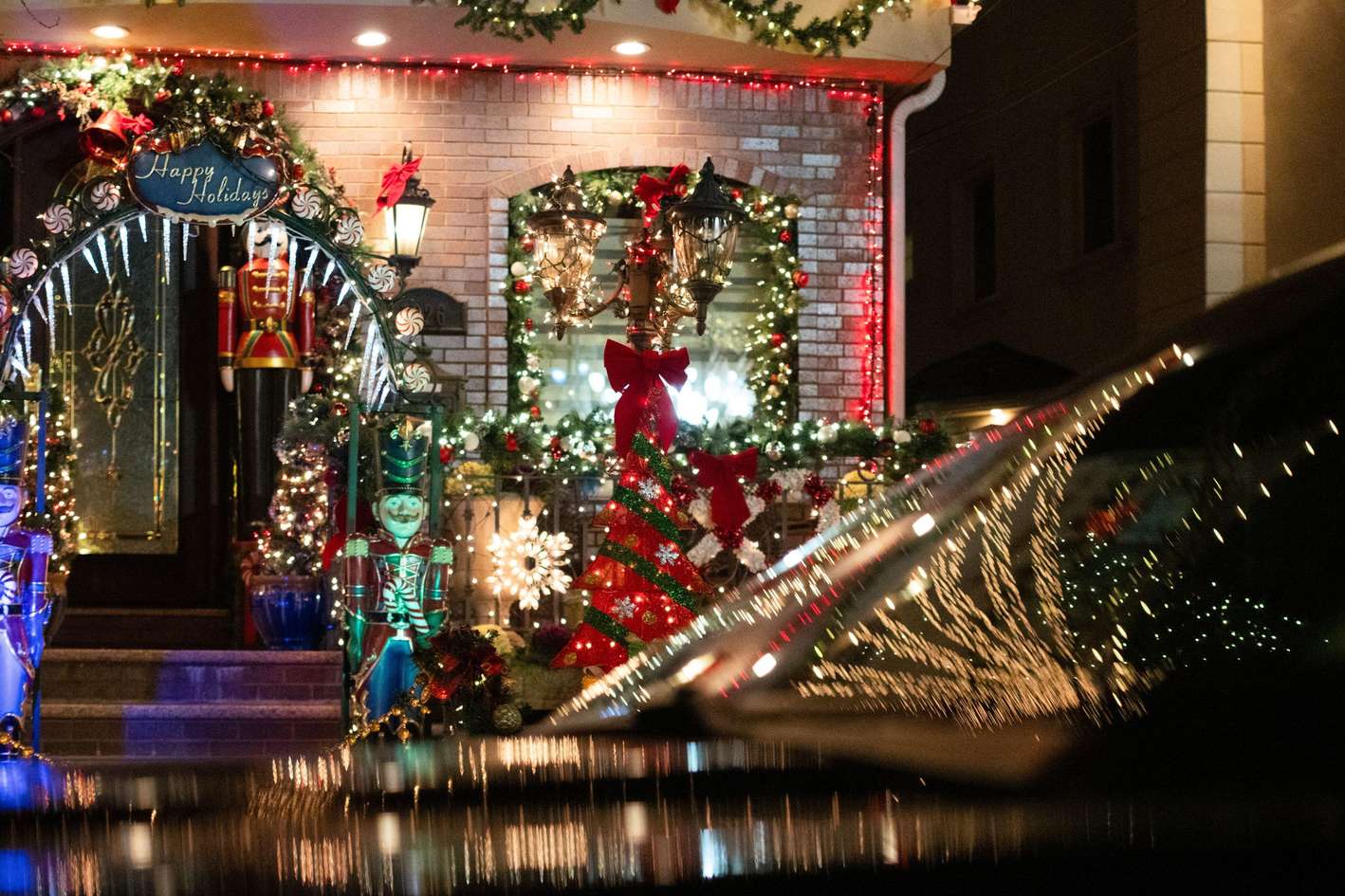
For all its charm, the park never competes with what Brooklyn does after dark. Dyker Heights is a residential neighborhood where homeowners mount commercial-grade holiday displays on suburban-style houses, block after block, the kind of overload Central Park keeps out on purpose.
The easiest way there is the New York City Christmas Lights Bus Tour: a heated coach runs from a Midtown meeting point to Brooklyn and back, with guided walking segments through the lit residential streets.
The round trip typically takes 3.5 to 4 hours door-to-door, including about an hour on foot among the displays, and peak holiday traffic can stretch the evening to 5 hours.
Book Monday through Thursday if you can. Those evenings draw the thinnest sidewalk crowds in Dyker Heights; Friday through Sunday pack the sidewalks with tour buses and crawling traffic.
The two experiences pair well across one trip: the park for classic Manhattan scenery by day, Brooklyn for full-volume lights one evening. If your time in the city runs short, the Midtown displays and the park's perimeter walks give you the festive fix without the cross-borough trek.
Some evenings call for a mark-the-occasion version. The NYC Holiday Lights Tour by Limousine sends a chauffeur to your Manhattan hotel, and the same vehicle stays with you all night: walk the displays for thirty to forty minutes, then warm up in the cabin while other visitors queue for the subway.
Bring your own champagne. New York law lets passengers drink in chauffeured vehicles built for ten or more passengers operating under the right certificates, which turns the drive between stops into the party itself. A mid-tour hot chocolate stop fits the same mood.
One honest trade-off: drivers cannot take you down the most decorated Dyker Heights blocks themselves, since the narrow residential streets jam with pedestrians. The best views there still come on foot, with the vehicle waiting warm around the corner.
Traveling with children is simpler than you might expect. New York State skips the usual car seat rules for taxis and for-hire vehicles, drivers must let you install your own seat, and you are free to bring a car seat or booster in any TLC-licensed vehicle. Everyone buckles up regardless of age.
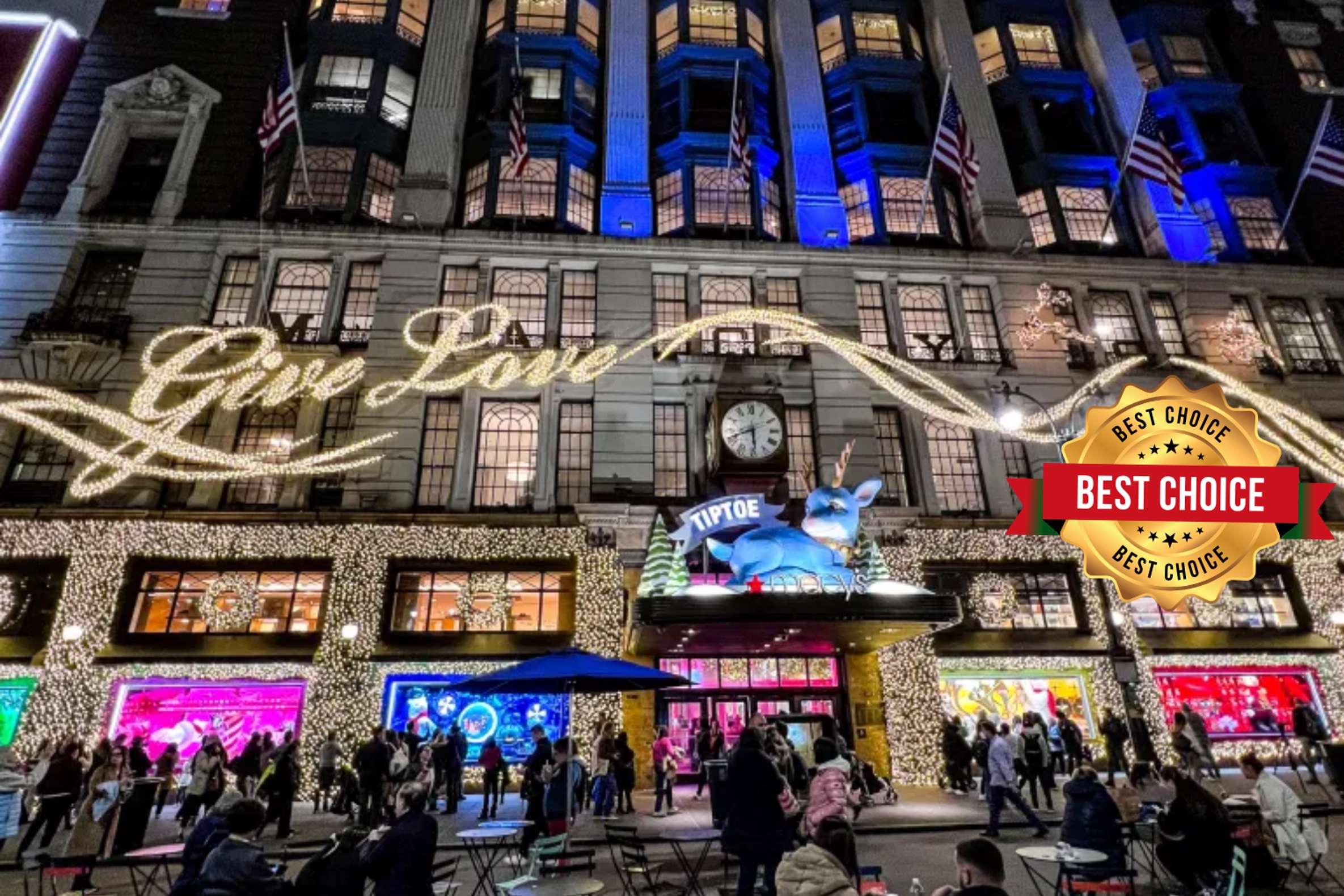
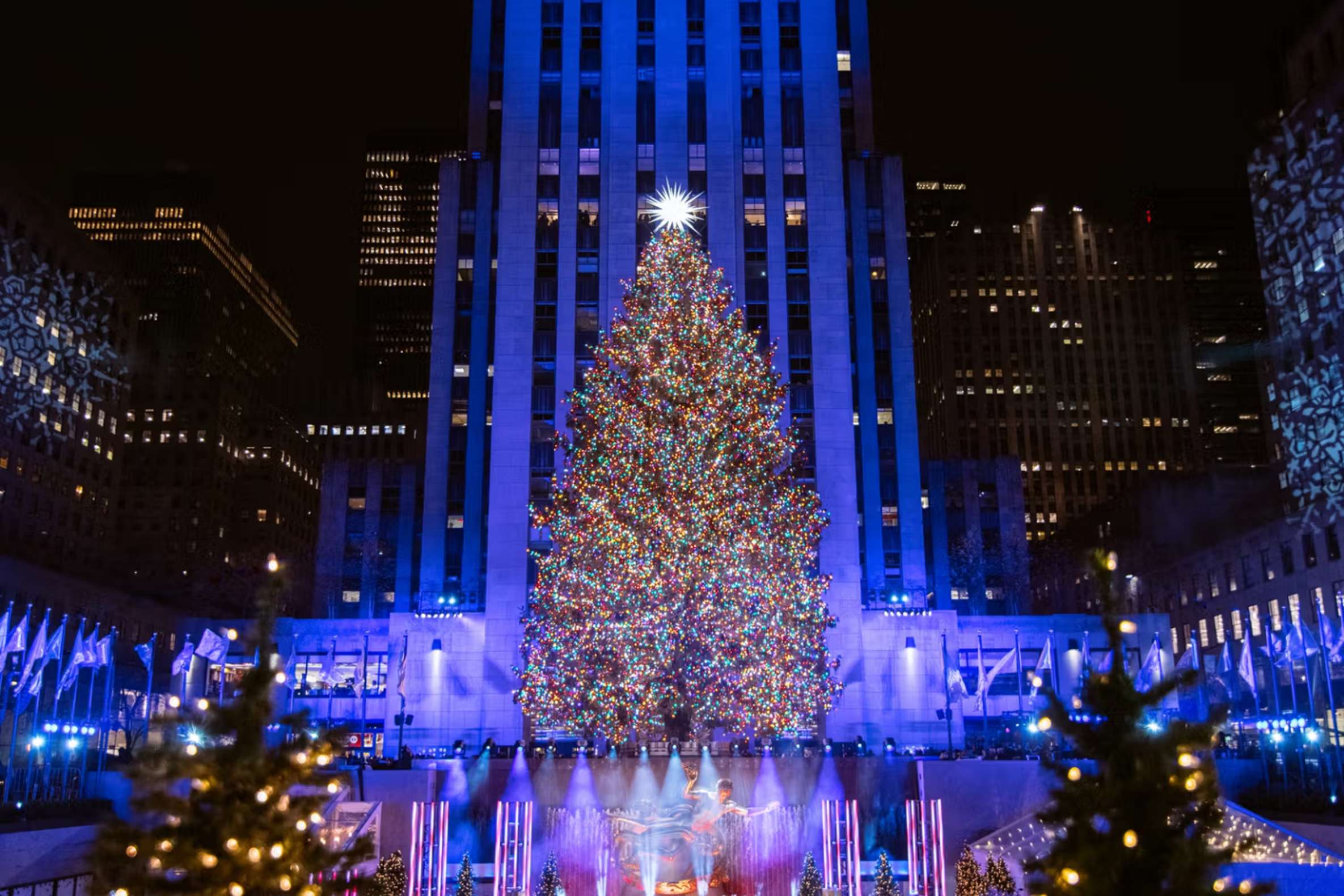
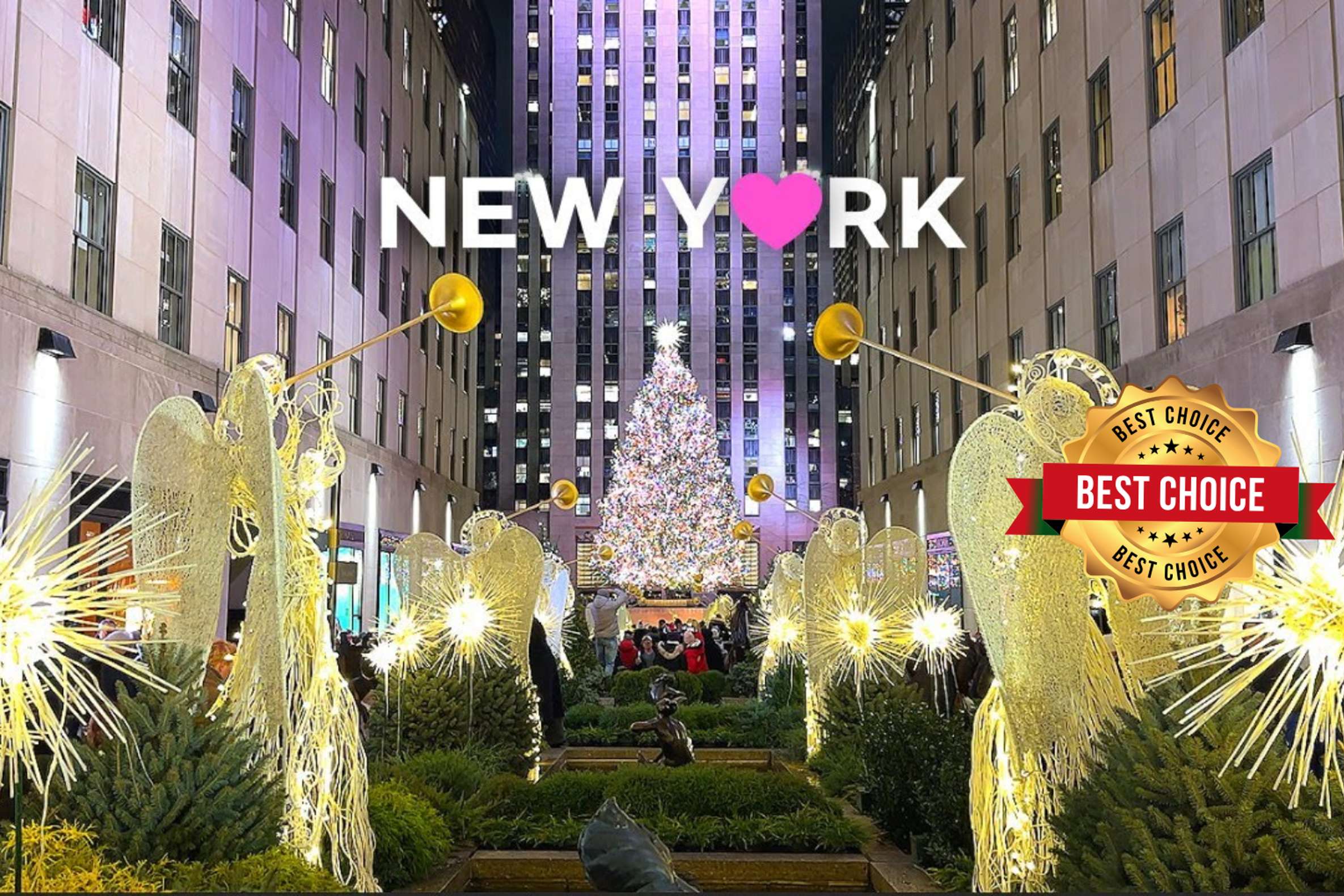
When you leave the park, Midtown takes over. The giant Christmas tree glows in its sunken Midtown plaza around the clock, and viewing it from street level is free, with no ticket.
A short walk south, illuminated angels line the Channel Gardens above Fifth Avenue, and the Saks light show plays across the facade roughly every 10 minutes.
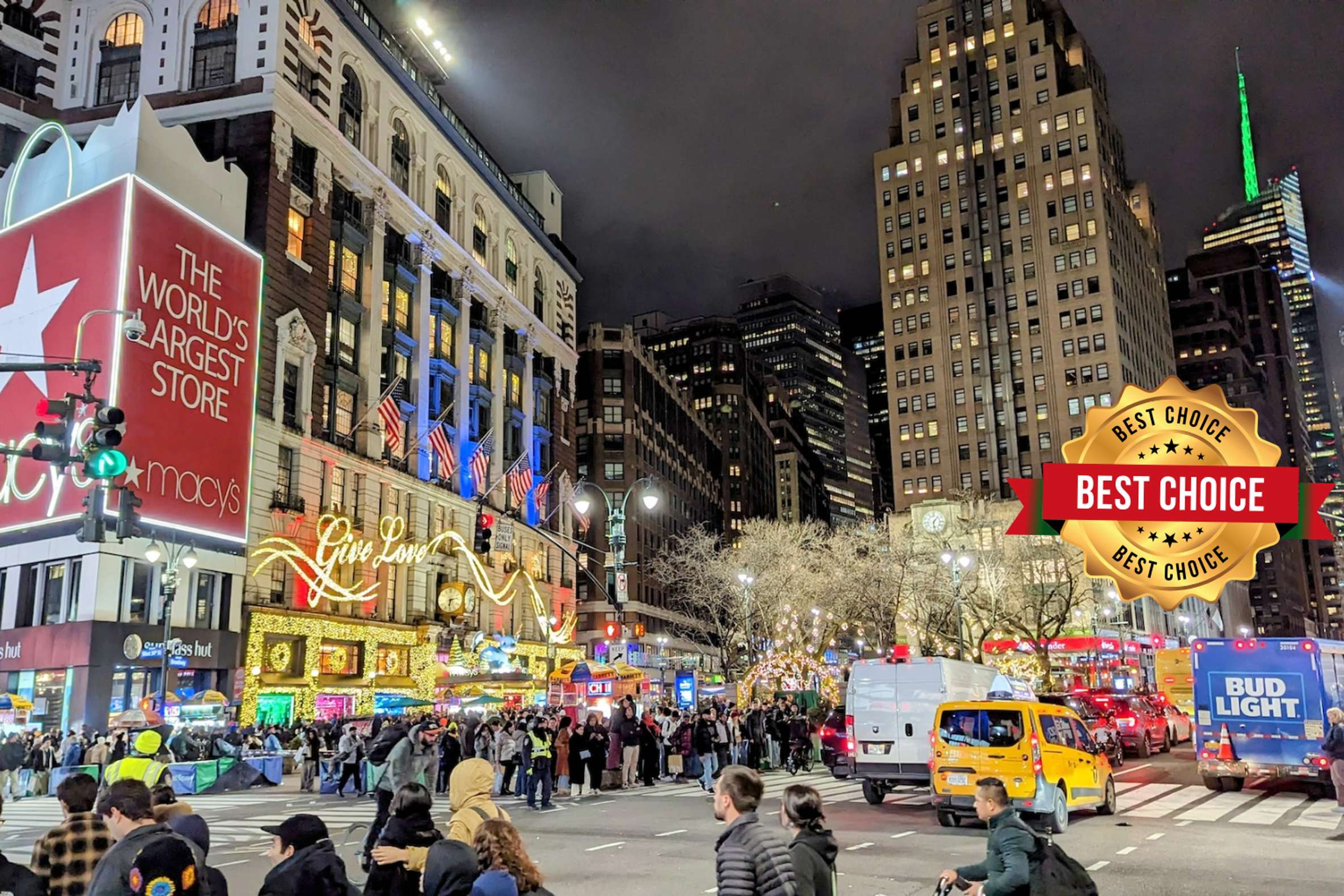
Bryant Park hosts the Bank of America Winter Village with its outdoor ice rink and open-air holiday shops, and Herald Square adds seasonal markets alongside Macy's holiday window displays.
Christmas week changes the arithmetic. Fifth Avenue pedestrian volumes hit about 12,000 people per hour on weekdays and over 23,000 on weekends, far past the roughly 4,800 an hour a sidewalk handles comfortably, so movement slows to a shoulder-to-shoulder crawl.
The city sets out barriers turning vehicle lanes into extra walkways along Fifth Avenue between 48th and 52nd Streets.
The fix is a patient one: pick one or two Midtown stops per day and save the rest. The park, a ride through it, and one glowing plaza make a full winter evening without the crush.
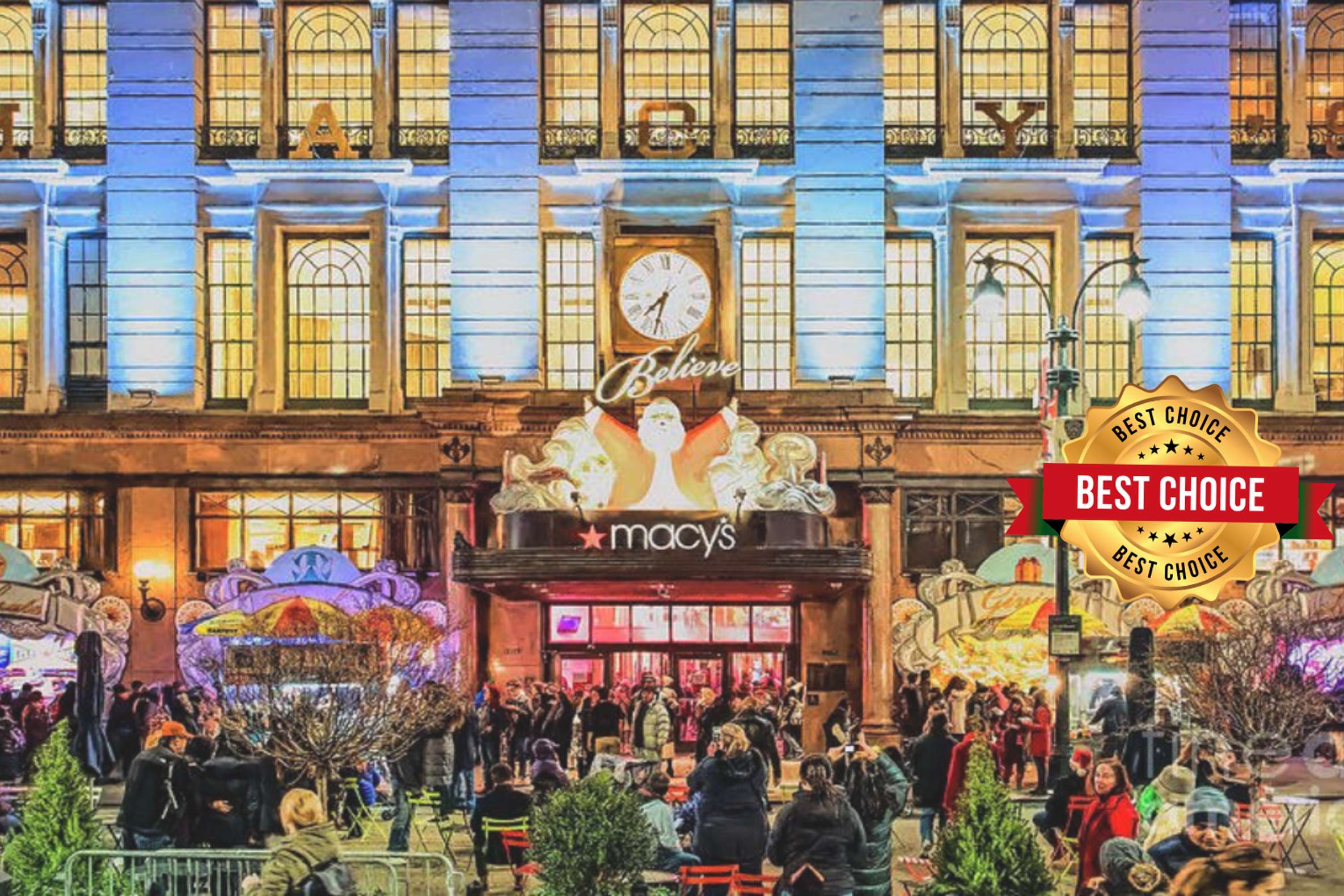
Central Park at Christmas rewards a plan and punishes a wander. Know the pockets, work the southern perimeter after dark, and let a pedicab or a blanket-covered carriage do the distance. Add a Brooklyn bus tour on a weekday if you want the full-volume version of the season.

A guided coach trip from Midtown to the illuminated houses of Dyker Heights, with a walking hour among the displays.
Read the guide
A private chauffeured tour with hotel pickup in Manhattan, custom timing, and a warm cabin waiting between light stops.
Read the guideThese two pages cover the same December evening by coach and by private car. The coach handles the driving for a shared group fare; the limousine picks you up at your door and waits while you walk the lights.
A blanketed ride through the park pairs well with the city's bigger light nights, and these two pages cover both.
A heated coach does the cross-town work; you step off for the lights.
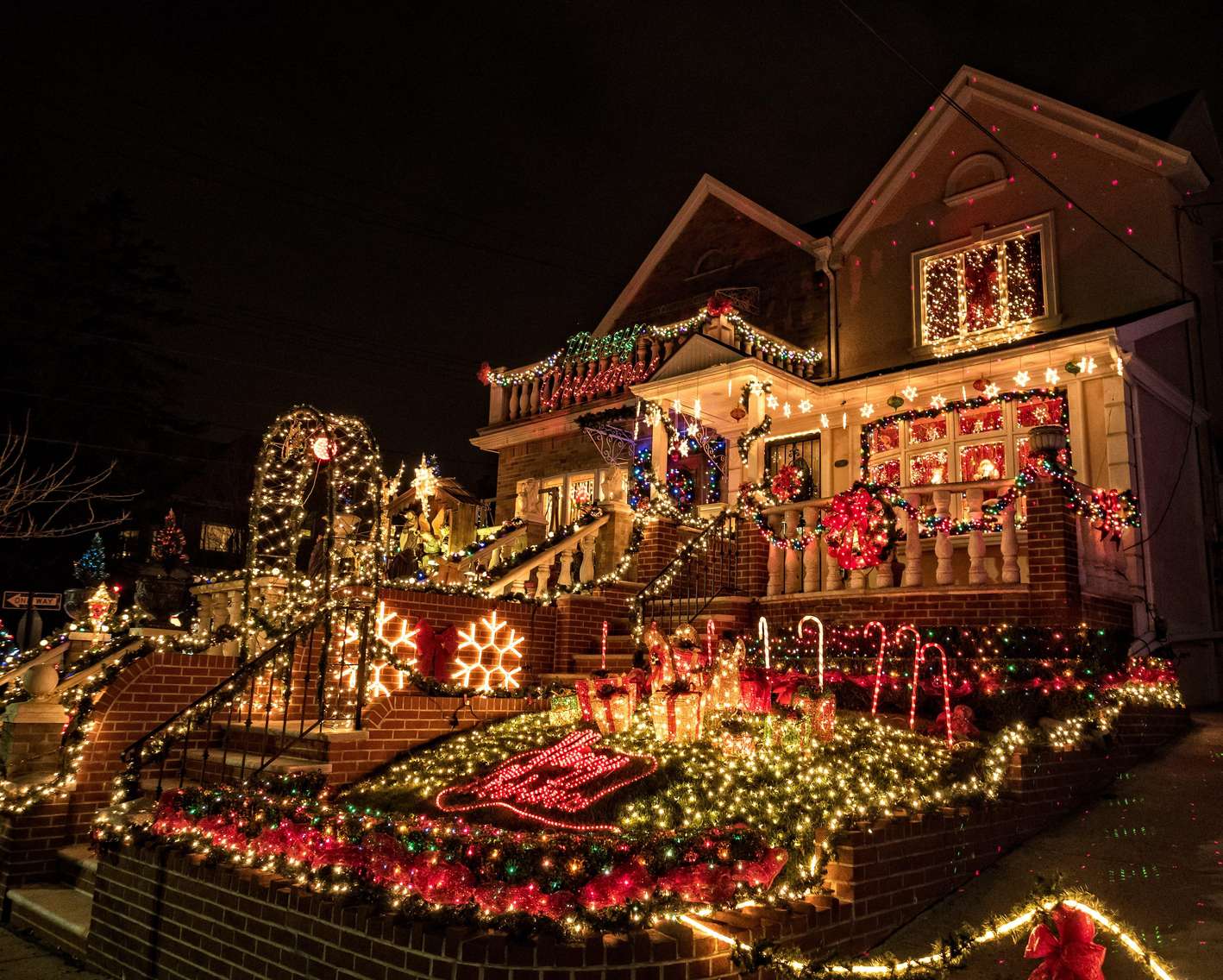
The night starts at a Midtown meeting point, where a modern coach waits with the heating already on. The ride south takes the better part of an hour on a December evening, and a guide spends it on the city sliding past the windows.
Once in Brooklyn, you step off for roughly forty-five minutes to an hour on foot, about half a mile through the lit streets of Dyker Heights, then ride back warm.
Book a Monday-to-Thursday slot if you can. Weekend sidewalks there pack tight and traffic crawls. Tours run rain or shine, and some operators keep food and drinks off the bus, so eat before you board.
4 hours · ★ 4.9 (9)NYC Dyker Heights Christmas Lights Bus & Walking TourFrom $49  4 hours · ★ 4.7 (1,203)NYC: Dyker Heights Christmas Lights & Skyline View Bus TourFrom $69 4 hours · ★ 4.6 (2,450)From Manhattan: 4-Hour Dyker Heights Holiday Lights Bus TourFrom $63
 4 hours · ★ 4.6 (1,008)From Manhattan: Dyker Heights Lights Tour with Skyline ViewsFrom $49
Your own chauffeured cabin, champagne welcome, and a warm seat between stops.
A chauffeur collects you at your Manhattan hotel and the same vehicle stays with you all evening. That is the part people remember on a freezing night: you walk the displays for thirty to forty minutes, then warm up in the cabin while other visitors queue for the subway.
Bring your own champagne, because the law allows it in a chauffeured vehicle, and a mid-tour hot chocolate stop fits the mood.
The premium buys privacy and pacing, which matters most with young children or older relatives. Note that drivers cannot take you down the most decorated Dyker Heights blocks themselves; the best views there come on foot, and the vehicle waits nearby.
A guide to every outdoor display and light show in the city, so you can plan the rest of your festive evenings.

How a heated bus tour from Midtown to Dyker Heights works, from meeting points to what the ride is like.
What a private limousine holiday ride through Manhattan looks like, blankets and door-to-door pickup included.
Routes, prices and booking tips for pedicab rides in Central Park, with advice on rates and cold-weather gear.
The short answers travelers ask before planning an evening in the park.
 New York City2026
Not across all 843 acres. The park keeps its natural look, and the festive lighting sits in specific pockets: Wollman Rink in the southeast corner, the flotilla of small illuminated trees on the Harlem Meer at the north end, and the holiday entrances of hotels along the perimeter.
Most interior paths carry only their regular year-round street lamps.
Wollman Rink is the brightest spot, with trees wrapped in thousands of small white bulbs bordering the ice. At the far north end, the Charles A. Dana Discovery Center puts a flotilla of lit Christmas trees on the Harlem Meer, glowing nightly through the season.
A few of the decorated spots sit close together, but the park is big, so pick two or three and plan a route.
The park's seasonal lighting, including the Harlem Meer tree flotilla, switches on in the first week of December and stays lit through the holidays into January.
Wollman Rink runs daily from late October through mid-March, so skating and the rink-side lights overlap all December. Evening is the best viewing time, when the rink lights stand out against the dark.
Skip the deep northern interior, where you will walk for miles past ordinary street lamps and no holiday displays.
First-timers do best along the southern perimeter between Columbus Circle, the Plaza Hotel, and Wollman Rink, where the seasonal atmosphere actually is. The park stays open until 1 am, but a lit route beats a dark one.
Yes, and they are walkable. Gapstow Bridge, where Kevin meets the Pigeon Lady in Home Alone 2, spans the Pond in the southeast corner at 62nd Street.
Bethesda Terrace and Fountain appear in both Home Alone 2 and Elf, and Pinebank Arch near West 62nd Street hosted the Elf snowball fight. The arch is an ordinary pedestrian bridge you can cross any day.
Gapstow Bridge frames the Central Park South skyline over the Pond, and Wollman Rink puts skaters beneath the Midtown skyline after dark.
Umpire Rock gives you Midtown from an outcrop of bedrock, and bare winter trees open skyline views along the Ramble and the 1.58-mile loop around the Reservoir. Winter foliage is the advantage here: what hides the skyline in summer disappears by December.
For seeing holiday sights without walking, it is the easier choice. A pedicab carries two to three passengers and covers far more of the park than a walking tour, which manages only a fraction of 843 acres on foot.
You pedal nothing and stay off your feet. Walking tours go slower and dig deeper into history, so it depends on what you want from the evening.
New York City law requires pedicab fares to be calculated per minute, per ride, and a licensed pedicab must post its rate signs on both sides where you can see them.
Agree on how the fare works before you board, since some street disputes arise when a rate quoted as a total turns into a per-person charge at the end. A booked tour avoids this entirely.
They operate legally through the holiday season, with blankets for the cold and covers against rain and snow. By city rules, carriages stay inside the park, so they cannot carry you down Fifth Avenue or past Rockefeller Center.
Rides pause in blizzards or when temperatures drop to 19°F or below, so on the harshest nights plan an indoor stop instead.
Yes. Cyclists ride counterclockwise on the drives, keep to slower speeds in winter, and stay off the pedestrian paths except a few marked shared ones.
Pedestrians always have the right of way, and the e-bike speed limit is 15 mph. Riders must be at least 16 to operate an e-bike, and children under 14 need a helmet.
It runs daily from 10 am until dusk in November and December, which makes it a natural daytime stop before the rink lights come on around sunset. Pair it with a walk south toward Wollman Rink and you have the southern half of the park covered before dark.
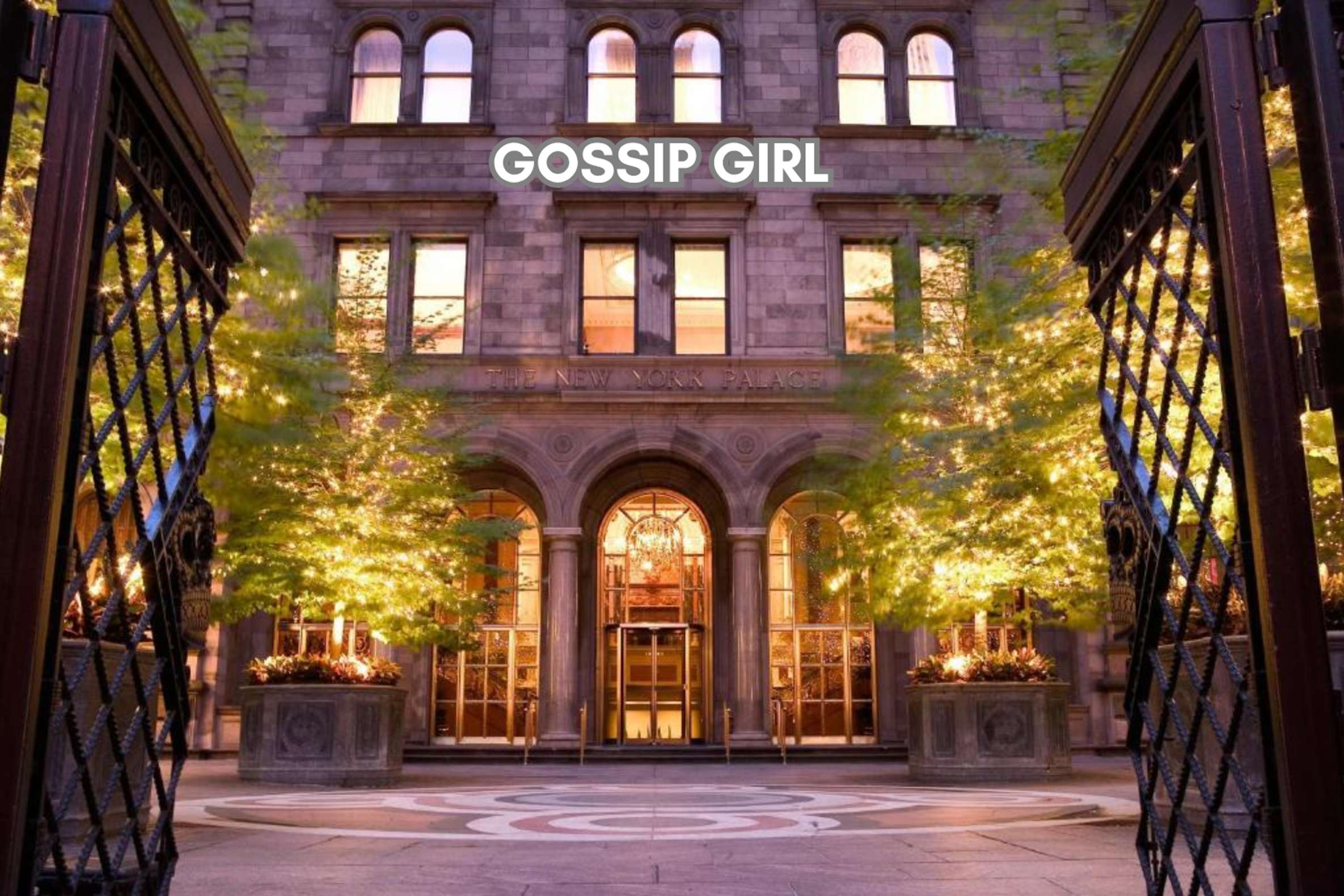
Blankets, hot drinks, and the Home Alone 2 rink in 90 minutes, with free cancellation up to 24 hours ahead.